Episode 248 · June 19, 2025 · 16:21
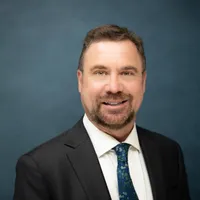
Nichole Upshaw
Chief Human Resource Officer, Cirkul
Unlock True Engagement: The Unsolved Key to HR Success is Transparent Two-Way Communication
Episode 248 · June 19, 2025 · 16:21
Unlock True Engagement: The Unsolved Key to HR Success is Transparent Two-Way Communication
Key moments
In Nichole's words
“So at 23 years old, I had the opportunity to be a part of a company that was going through a complete and total transformation. So that was such a unique experience and scaling at the same time.”
“I was on a plane every single week, either in a retail dispensary or in a manufacturing plant working right alongside of our employees. So they knew that we were not asking them to do anything that, that we weren't doing.”
“You're always gonna come up with a better solution if the people that you're creating the solution for is involved. I know it's mind-blowing.”
Transcript
Read the transcript2,766 words
HostWelcome to the Built by People podcast, where we share the stories and insights of the world's top HR leaders. Join us as we dive deep into the minds of HR executives, uncovering their strategies, challenges, and triumphs in shaping today's workforce. I'm excited to welcome Nicole to the Built by People podcast. Nicole, thank you so much for joining us. And as a starting question, I always love to ask if you could share a little bit more about your career journey.
GuestAbsolutely. So after college, I'd say my years working in family-owned restaurants and retail through college really dreaming to an entry-level recruiting role for a large convenience store chain in the Southeast called Racetrack Petroleum. At the time, it was approximately a 100-store chain, and they were really going after doing a major rebrand, wanting to be a place where people felt safe to stop in, well-lit, very— had a lot of variety and things to sell. The stores were getting bigger. So at 23 years old, I had the opportunity to be a part of a company that was going through a complete and total transformation. So that was such a unique experience and scaling at the same time. So that's crazy to be transforming and scaling. It was completely reliant on talent. And so I was so fortunate at such a young age to have an experience like that at Racetrac. So after 14 years of doing that, so I, that an anomaly that in my generation to stay somewhere for so long, but I truly loved it. I decided I really wanted to go do something hard. I wanted to go back to feeling really challenged, being in a space where I didn't know a lot and had a lot to learn. And when I thought about what is the hardest thing I could possibly go sign up for, I decided that was signing up for a cannabis startup that was pre-revenue. And that was right. I was definitely right. That was probably definitely the hardest thing I could have ever signed up for. Every day something's trying to take you out or take you down. And so it was constant problem solving. And I was able to learn a lot and learn fast because you, whether people like it or not, the best way to learn is when you're solving problems.. I had the opportunity to get public company experience there, many experience, which I found to be a really good time. And I had the opportunity to lead retail in addition to the HR team, which was exciting 'cause that was really my background pre-Racetrack. And of course working at Racetrack and then at Juicy, the cannabis company, it was my first kind of stop in manufacturing as well. 'Cause we were vertically integrated, we manufactured and had our own retail side. So it was complete vertical integration. So after 5 years of running really hard with very little water breaks, I decided to join an oppor— a company called Circle. Had an opportunity to join Circle, and Circle was attractive for many reasons. I loved the age of the company still, so it was still a really young company. They were out of the brand new startup phase, but still in scaling and building. Still had an opportunity to really be a part of a lot of things cross-functionally. I love the mission of encouraging people to drink more water by making it fun and convenient, delicious, providing so many different flavors. But I'd say the thing that excited me most about it was almost 80% of our employees are within 15 minutes of me at one of our manufacturing facilities. Because we make the sip, the, our secret sauce is made here at these facilities and What a dream to be able to pop in at any time, see the people making the magic happen. And so that really drew me to Circle. And so yeah, that's where I'm at now.
HostNicole, can you tell us about a time you faced a challenge in creating a supportive work environment for the hourly workforce? How did you approach and resolve it? And what were some of your key takeaways?
GuestNo doubt that is going to be COVID at Jushi during those times. That day on March 13th when most people grabbed their laptops and left the office and went home to keep it moving, obviously there was a lot of challenges for those individuals as well. But the hourly workforce had to keep the country going. They were in a difficult spot. Their options were go to work to make money or don't make money. And they were not any more informed or any less scared than anybody else. And so that was really a difficult time to make sure that you were doing every single thing that you can to give individuals the information that they needed to get comfortable to go to work and know that what they were doing was appreciated. So I'd say almost instantly that we instituted 3-a-day calls during that time period focused on different parts of the business. And we were able to talk about what new information do we have, what are we hearing from employees, and then, and what do we wanna go out and communicate to our teams? And then we would disseminate that information every single day. And I'd say the other more very important thing is to not be a hypocrite. So I was on a plane every single week, either in a retail dispensary or in a manufacturing plant working right alongside of our employees. So they knew that we were not asking them to do anything that, that we weren't doing. I'd say, you know, what that taught is communication just cannot be undervalued. And what I think we should all have learned from that is we shouldn't wait for a crisis to, to get good at communication. And we shouldn't think that a crisis is the only time we should put a lot of effort into communication. So I really appreciated that and appreciate that I'd say about being at Circle as well, because our CEO is just such a great thought partner in the importance of communication, just already doing town halls, has really great instincts on bringing people along and wanting people to buy in versus being told. And I think especially in a faster moving organization that communication is critical. So I think it, it really just goes to show in challenging times, and obviously it's mission critical and important, but just as critical to culture, even when it's not about a crisis.
HostNicole, can you share a case study or an example of how you successfully implemented a new HR strategy in a startup environment with limited resources? What impact did that have on the organization?
GuestYeah, I'd say a couple different things and I'll say really the theme of them is I really believe that the things that are most impactful are things that are not completely done by HR and are a lot more inclusive. At Juicy, we instituted an employee experience program called Spark. Very little HR team. So you don't have teams dedicated to making the workplace better. And oh, by the way, COVID happened during that time. So what we really did is we said, okay, we want team members from all across the organization. We are spread out across 8 states, manufacturing and retail. So different types of employees that see experience differently. And of course our headquarter employees. And we had a work group made up of all of those individuals from all those different work environments that came together and said, what is, what do we want the experience to be like at Juicy? What do we think rewards and recognition look like? How do we wanna celebrate the week of 4/20? What things do we, we find important? How do we make it, how do we come together as a group and give feedback to leadership to continuously make the culture better? So that's still going today. I think really successful. You're always gonna come up with a better solution if the people that you're creating the solution for is involved. I know it's mind-blowing. And I'd say the second thing here at Circle, we're developing a program called the Circle Immersion Program and Again, in this younger company that has to go really fast, people, not everybody catches up at the same speed. And some individuals have been here from the very beginning and they know every single thing there is to know about Circle and the individuals that join need to catch up really quickly. So instead of just leaving that in to fate to see how quickly can they catch up, we're developing a program where post-orientation After people remember probably like 10% of that, because you can only remember so much in a short period of time, we bring individuals back and say, okay, now let's talk about the business from creating the product. Why does it work? Why do people love it? What is our mission? What is the brand? What are we working on? What's the culture? How are you successful here? And over about a 6-month period, we're really going to get you immersed in, in the history of Circle, what we do here, why things work the way they work, and how you can be successful here. So people can get connected more quickly to what we do, which, you know, obviously makes for a much more engaged employee.
HostNicole, how has transitioning from a large company to a very small company influenced your leadership style and decision-making process? Can you share a story that highlights that transition?
GuestYeah, I think I'll humbly tell this story. I had a 3, 3 weeks between knowing that I was gonna leave Racetrac and joining Juicy. And I, like the nerd I am, read 3 books on startups and then wrote a whole strategic plan for what I was gonna do when I got to Juicy. I had this figured out. So I walk in the door and someone says, oh, by the way, don't answer the phone for, well, insert their name here. Which was our payroll company, they're trying to cancel us. And if you pick up the phone, they're trying to make a verbal contact to let us know they're not working with cannabis anymore. So I took my plan, ripped it in half, and I realized that isn't where we're at here. You know, that in a startup organization, it isn't about taking a ton of time to, to read all the books and write this most amazing strategy that you'll spend hours and days getting people caught up to speed and who's gonna do what, but it is in the moment, on the fly, what are we doing? What are we trying to accomplish? And how can I get in here and help? And what that really helped me so much in recruiting and building out the rest of that organization, because I knew, okay, are you the type of person that's gonna come in and you're gonna try to bring your playbook that helped you win before and just slam it down on our desk and say, okay, this is how I'm gonna do it here. Or are you going to come in, understand that you need to figure out what's going on here first, and then say, okay, what applies that I've done in the past and what can be successful, or what do I need to create that is new to make it work here? It is so much more about learning what has been done, what is going on, so you can create the best solutions you can create faster and then just like constantly iterate them.
HostNicole, can you tell us about an innovative practice or initiative you introduced in your organization to improve employee engagement or productivity? What were some of the steps you took and what were the results?
GuestYeah, I think I'll choose to answer this in an interesting way because I think the most innovative thing we can all do is not creative or innovative at all, but it is something that we are still not all doing, and that is solving the communication gap. I don't think any of us could say that we've seen a Glassdoor review or Indeed review or performance review that said, that hurt, that just way too much communication. I just understand way too much about what's going on. They're too transparent. They check on me too much. This is just, communication is overwhelming. Said no one ever. It is still the thing that we have not solved. And it is to me, when you think about the hierarchy of things, it is the most basic thing to give, but it, it is free to do. And so when I sit back and think, why is this? Why is this that even some of the greats still haven't really solved this communication issue? It really is a human thing. Innately, humans are shitty at listening. We're just not good listeners. And if you're not a good listener, you're not a good communicator, period. You can be the most articulate person in the world, stand up and give the most amazing speeches that bring someone to tears, but if you are not a good listener, you are not a good communicator. And so by no means do I have this ace, but I think I am always thinking about culture and leading from a place of two-way communication and connecting people to the organization. And if you truly are connecting people and you only can do that through communication, like, am I doing stay surveys like at the right points through your employment process, joining 30 days, 60 days, 90 days, 120 days to just check and see how are the things we're doing, that stuff that we put in place to work, is it working like we wanted it to? Is everyone doing one-on-ones consistently? Are indirect one-on-ones happening in the organization? Ensuring you're doing things like all team meetings. If you hopefully have an open door policy, do people believe that you have an open door policy and that anybody can go talk to anybody to get their problem solved without repercussion. And so I really truly think like the world is not going to stop changing. Now we're all constantly hearing about AI and that is not going to slow down change in the workplace. So what can we do to keep people engaged and on board and understanding with all of this change coming even faster? That is only, that only can be solved by better
Hostcommunication. Nicole, any parting advice you'd like to share with our community?
GuestYeah, I really would say if you want to make an impact in HR, which I, you, we all hear that all the time. HR leaders are looking for a way to make their mark. How do you make the biggest difference? I think instead of how do I come with the mo— the most interesting idea ever, or the newest idea, how do I come up with a thing that no one else has thought of? That isn't it. It is, getting in and truly understanding the business that you're serving. Do you understand how this business operates? Second, do you understand the people, you know, that, that are working in the business that you are operating? Those two things are complete prerequisites. So then the third, which is then, okay, how do I make an impact here? You know, what problem can I solve that's going to better connect the employees to the work that they are doing, which ultimately more informed and more connected employees are going to— they're going to want to do more. They're going to want to do a great job for the organization, which leads to what every single leader wants, which is a highly activated, optimized, highly productive workforce. It is all— it all cannot be done without starting with the foundations of not being the most HR expert in the world, but truly intimately understanding the business and the people.
HostNicole, thanks so much for joining us today on the Built by People podcast. It was a pleasure to have you involved.
GuestThank you.
More conversations like this