Guest · with Kimball · 18:09
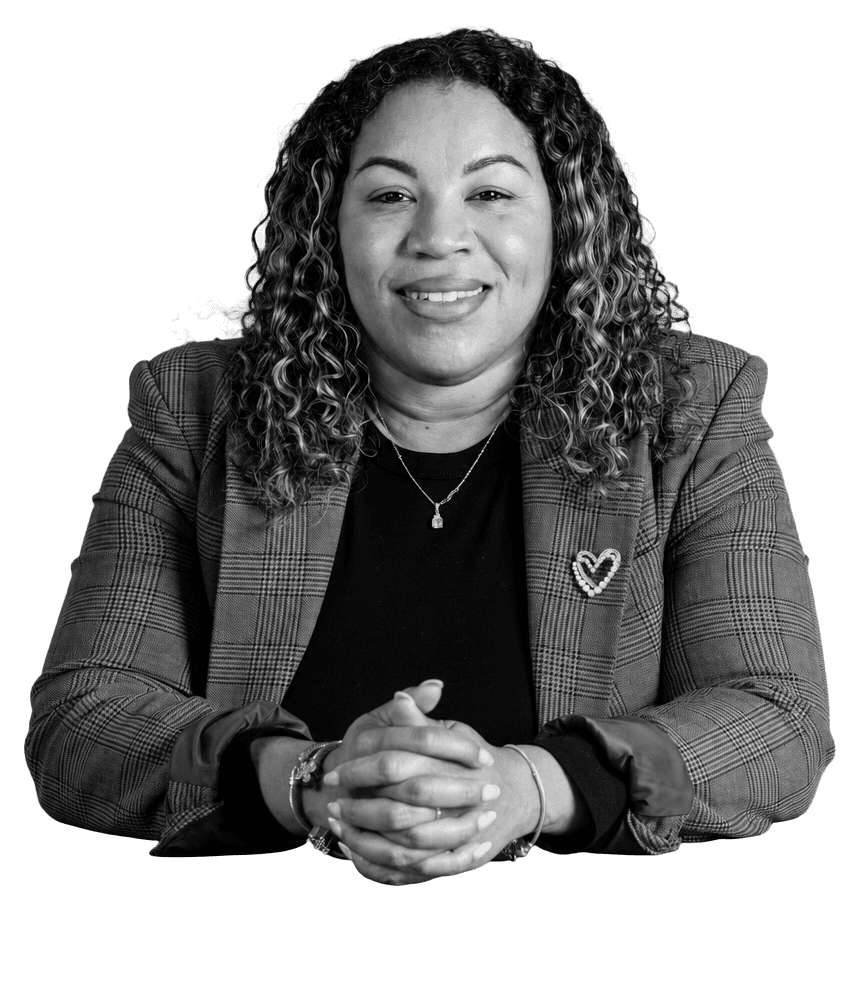
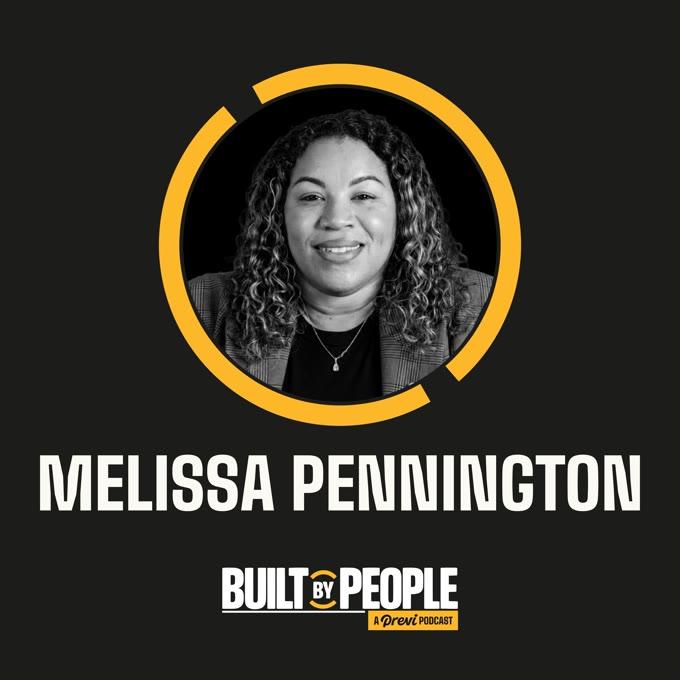
Melissa Pennington
Head of HR, SupplyPoint
It Sounds Like Somebody's Wi-Fi Password: Why Companies Need to Explain Their Benefits Better
Key moments
Share Melissa's words
About this conversation
Melissa Pennington is Head of HR at SupplyPoint and founder of the Future of HR Academy, whose HR AI Build Lab has now drawn people from 68 countries. She spent nearly 14 years at Schneider as a global HR business partner, and she gives free resume and negotiation help to people who need it, most of them women. She and Kimball talk about how a high school guidance counselor sold her on HR, building a safe product for domestic violence survivors, why benefits need plain words, meetings that should be emails, and why HR is not the office of consequence.
Transcript
Read the transcript3,110 words
IntroMe working in HR for 24 years, sometimes benefits is still hard to navigate. You know, if you think about HSA, FSA, etc., it sounds like somebody's Wi-Fi password if someone's trying to navigate it, you know.
HostOkay. Welcome to the Built by People podcast, Melissa. We're super excited to have you on. And Melissa spent nearly 14 years at Schneider as a global human resource business partner, supporting over 9,200 team members across the US, Mexico, Canada, and South America. She's now head of HR at SupplyPoint, and alongside that role, she founded the Future of HR Academy. Academy, whose HR AI Build Lab drew participants from 49 countries in its first run. Did I miss anything?
GuestNo, I mean, that, that was some where I am right now. Absolutely not.
HostYeah, no, I love it. So yeah, talk me through your journey. How did you end up in HR and what has you here still today?
GuestYeah, so actually I went to an amazing Catholic school in New York City, Christ the King, and I had a really great guidance counselor that had us take the Myers-Briggs our senior year. And of course, if you think late '90s, people really weren't talking about HR the way that they are currently. And so when HR came up as a career opportunity, And I asked her to describe it, and she was like, you know, well, sort of, kind of, you know, just do investigations, people. And I was like, okay, I'm nosy. I can definitely do that. And so, that's what I decided to do as far as going to school. And it still aligns with my personality, even though my letters have switched in Myers-Briggs, because it's very people-centered. And as I grew in my HR career and had an opportunity to work with different bosses, I wanted to be the HR that I did not see at that time. And so that what— that's what has inspired me to continue in HR and seeing the difference that I'm able to make in people's careers, their lives, etc.
HostYeah. And I know from our, our previous conversation before we jumped on, um, you had mentioned you're obviously a huge advocate for helping women in the workplace. I would love for you to kind of share what you've done there.
GuestYeah, so I, I work with different external companies like Dress for Success, etc., and have helped and, you know, do resumes. But what I do is, one, provide a lot of free resources to do resume rewrites, teach people how to advocate, you know, how to negotiate their compensation. And I feel like the majority, I would say 80% of the people that come to me are women. And it's always at no cost to them, but it's just about practicing interviewing because the difference that I make in that individual's life, you know, can support a family, children, can inspire their children, you know, to speak up and advocate for themselves. So to me, that triggers just a chain reaction in their lives as well.
HostYeah, I absolutely love that. And I know there's a lot more people that probably want to give more time to be able to do stuff like that. What advice would you give other HR members that are in that same situation? Sure.
GuestYeah. So, I tell people, not just in HR, but in general, like sometimes you're doing a job that, that you have to do to pay the bills. I also encourage people to find joy in that balance until they can do what they love. And so, I have the unique opportunity to do what I love, but then also to be able to volunteer and do something else because I would love to teach people how to do this. So I say find the time, maybe start off with an hour a month by teaching something and you could use, you know, platforms like Meetup, etc., to host them because if you build it, they will come and then do that and see the joy that it ignites in you because it could inspire you to do something else. But yeah, that's where I would start. with an hour with what you can give, because if you overexert yourself and, you know, try to boil the ocean, you know, you might give up.
HostYes, I've definitely seen that as well. Kay, I have a couple other questions. Like, you've had an awesome career. One of the questions I have here, you ran the PowerSchool for a 10,000-student district while building an HR career. How did you do both together? How do you manage your time that well?
GuestYeah, I absolutely relied on systems. So I'm a mom of 4, um, and now my children are adults, but at the time they were not. Um, so supporting PowerSchool in a district at large meant details mattered. and people needed accurate information, but at the time I was also building my HR career as well. So it taught me how much good work depends on understanding people as well as processes. But also, first and foremost, above anything else, I'm a mom first. The work that I do in my career, it feeds into that mission. So, my first and most important title is mom. And so, I was able to navigate that and the importance of priority, but then also it's something that you do to support that mission. So, you know, it's just a matter of balancing. I rely on systems. I'm neurodivergent, and if a system isn't in place, then I have to take my time and create it. Just to make sure that, you know, I know what needs attention first and build repeatable ways to manage the work.
HostYeah, I love that. Alongside that, you built safety-gated architecture into She Begins, a trauma-informed platform for domestic violence survivors. What does a safety gate look like inside of a digital product?
GuestOh, yes. So a safety gate, you have to always keep the end product user in mind. So She Begins, yes, it's focused on assisting women that are experiencing, you know, domestic violence, physical or emotional or financial, and getting that freedom. But it's— you have to keep it with how the product works. It's not just a paragraph in the terms and conditions or anything like that. A survivor should have control over what they share and what happens next. And how they keep themselves safe. So I have an easy escape button from the site that wipes the site, you know, off of their browser history. So that just means it gives them a clear way, you know, to leave quickly and be careful about notifications. You don't have to sign up for the site or receive emails. So I kept all of that in mind as well. And the goal was to make each step useful without creating additional work.
HostYeah, that's amazing. the, yeah, the next question I had here too is, um, the HR AI Build Lab drew participants from 49 countries in its first run. What did a participant from an unexpected country show you?
GuestUm, so the— we're up to 68 countries, and I'm so proud of that. It's absolutely amazing. I would say that the language and resources and local rules differ. In my global opportunity, I'm aware of that. But with 68 countries, it's significantly different. But people everywhere, what I notice are they're trying to make work useful and fair and also trying to figure out where AI can help. Without losing the human judgment, because that's what everyone in HR is afraid of. So it's a reminder that practical learning shouldn't be designed for one country or one kind of workplace. And it's something that I consistently take away as we're getting ready to start cohort 2.
HostMm. Yeah. And from your professional experience, I know like you had mentioned that just in your response there, just making the workplace fair and, and equal. What can more companies do, whether it is on the benefit side or what, what can they do better? And where are they doing well currently, would you say?
GuestSo one thing that they can do better, and I'm experiencing this right now as I am helping people like throughout the US navigate open enrollment, they could explain the benefits of the organization better. Like some companies have amazing benefits when it comes to mental health. When it comes to, you know, their health benefits and the other free opportunities that come out of it, like, you know, free nutritionists, etc., taking the time and explaining it in a way that, you know, an everyday person can understand. Me working in HR for 24 years, sometimes benefits is still hard to navigate. You know, if you think about HSA, FSA, etc., it sounds like somebody's Wi-Fi password if someone's trying to navigate it, you know. Um, so for me, one, the benefits would be clear, but then two, like making processes transparent and getting feedback and input from your team. If you develop a team that believes that you are people-centered and you care about them, you know, that's where you're gonna get people that will follow you throughout, you know, through the ups and downs of businesses, you know.
HostYeah, completely. No, it is you, I feel like you do have to have a PhD to understand benefits a lot of times.
GuestYeah, yeah, absolutely, I agree.
HostAnd yeah, so I can totally understand how just having someone at the company explain that a little better and walk people through it. Yeah, it is a huge burden for employees for sure. Great. If I shadowed you for a week, where would you, where would I see you spending time on things that don't feel strategic?
GuestUm, in meetings, I am a proponent of having a day without meetings. Um, and some meetings can absolutely be emails. people that know that I schedule a meeting with them, they're going to come out with either action items or a solved problem. And they love scheduling meetings with me because they're not redundant meetings. Like, It's 15 minutes tops. We know what we're trying to solve and we solve it, or we come back with what we need to solve it. But I would say that some meetings that I'm invited to wouldn't necessarily be the same. So I would say that would be the area that people would see. I'd rather do the work. I feel like a lot of people are, are stuck in the meeting realm, and then that's why they're working outside of office hours because they're in meetings all day and then having to complete the tasks that have been assigned outside of that.
HostYeah. I think a big part of that too, just being efficient and having the right direction is it comes back to hiring. how would you go about making sure you're hiring the right person?
GuestThat is a really, really good question. One of the things is people are focusing on— I see now— personality assessments, etc. I don't believe that that is something that people necessarily, you know, if they're having a bad day, like how does that come across? So, I think that understanding actually what the outcome they want in the job, right? And think about not just this year, but, you know, maybe the next 3 years, et cetera. And then also what their experience is. But the, on the other end of that, I put it on the candidate in showing the impact and the outcomes that they've been able to achieve before. And that's one of the things that I teach is that if a company has to guess what you're capable of doing and the outcomes that you've achieved in your career, then they might pass on you. So, make sure that you're showing that in your resume. But I would say that the company has to understand what they're looking for and what they need in order to hire the right candidate as well. And then making sure that they're a good fit for the team. And a good fit doesn't mean that they're like everybody else. Right? Sometimes you need a diverse team, and I would say most of the time in order to be successful.
HostYeah. Yeah, I couldn't agree more. What's one initiative you've rolled out recently that that you're proud of.
GuestUm, so let's see, one initiative. This is a simple one, but I think it's really great. I have rolled out instead of, so we've created a manager's hub. And this is from like an HR perspective where managers go and get information based off of the lifecycle of an employee. So, you know, onboarding, recruitment, et cetera. However, I didn't want it to be just a bunch of documents. So there was a decision tree that's added to it because you want managers to learn as far as the thought process, et cetera. So they can see a situation and then there's like a decision tree thought process to go to that goes along with it and when to involve HR. And so that's you know, been rolled out for a little bit. And so I would say over the next 6 months, I'll gather information on how effective it was.
HostYeah. And that kind of leads perfectly into the next question, which is how can more people at the company, whether it is a brand new employee or a manager, how can they partner better with HR?
GuestSo people have to realize that HR is not the office of consequence. Right? So, when they take away that stigma and understand that HR is truly a business partner, and what we're here to do is to assist you and how you're navigating, you know, your people issues or people outcomes that you would like to see, whether it's better hiring, whether it's assuring that, you know, people are held accountable, but in a professional and in a way that they leave feeling empowered, that That's that initial conversation. That's what we're there for. We're there to support you in your role. So, I believe that that's the best way for managers to partner. Now, I will say on the other end, from HR perspective, and this is for all HR professionals, you need to be visible, right? You cannot just be in your office. You should be out there getting to know people, et cetera, cuz that's how you remove that stigma that HR is the office of consequence. So you'll see me multiple times a day going downstairs, talking to people, you know, interacting, asking if they need anything, because you shouldn't always have to come to me. I have to meet you where you are.
HostI love that. And I know we kind of talked about it a little earlier. What is another bill or something that you feel like companies could help with for everyday employees?
GuestIf I had to choose a bill, it probably would be the electricity bill, and I know that it probably sounds like something that, you know, is that a company traditionally wouldn't do, but it affects every part of someone's life. So when that bill becomes a source of stress, it can affect someone's focus, wellbeing at work, they're concerned about their kids. So if a benefit was designed with, you know, some type of flexibility, I think that that would be a great one 'cause it would support in ways that actually reflects
HostYeah, I love that. And it's true. It's amazing to see the statistics of how $100,000 OT now doesn't go nearly as far as what it did 10, even 5 years ago.
GuestTheir situation. Absolutely not. You add inflation and then you also add the different tax bracket. You know, people are always striving for, you know, $100K. Well, $100K also takes you into a different tax bracket, which means more taxes are taken out. So now you have to be creative about your pre-tax, right? So your 401, you know, your HSAs, your FSAs, et cetera. Once again, a Wi-Fi password. But, you know, but these are other things that you have to think about when you get into that bracket, in that tax bracket. Okay.
HostYeah, 100%. okay. So I have 2 more questions for you. So if we sat down again, 12 months from now, what would you have hoped has changed most in your, your organization?
GuestI would hope that managers have better tools, clear expectations as far as enabling them. Employees can find answers with less friction because I wanna make it, and I've made it very accessible for them and they're actually using it. And we're making stronger decisions about skills and future needs, right? Every job does not require a degree. Let's talk about the skill sets that we actually need and how individuals can acquire those skill sets. I would also want to talk about, you know, the apprenticeships as well and how we've utilized AI in ways that genuinely improve the work, still hold people accountable for the decisions, and that people are still able to maintain their employment.
HostI love it. all right. And the last one here, if you could have leave one piece of advice for our community, something you wish you'd known earlier in your career, what would that be?
GuestYes, I talked about this today, actually. Keep a record of the value that you create. Don't assume people will remember the difficult project that you finished, the problem that you prevented, or the result you helped deliver. Write it down, keep like a note in your personal email, learn how to explain it, 'cause storytelling is huge, and use that evidence when you're ready to ask for your next opportunity or during your merit cycle for a bonus or compensation. Absolutely.
HostI love that. No, it's so true. And it's hard to brag about yourself a lot of times. I would say genuine, generally most people are very humble, but yes, there is a time and a place to shout out your accomplishments. I love that. Okay. Well, thank you so much, Melissa. It's been a pleasure and I know our, yeah, the community is going to love listening to this episode. So thank you so much for taking the time to jump on.
GuestAbsolutely my pleasure. Thank you for having me.