Guest · with Maddie · 30:09
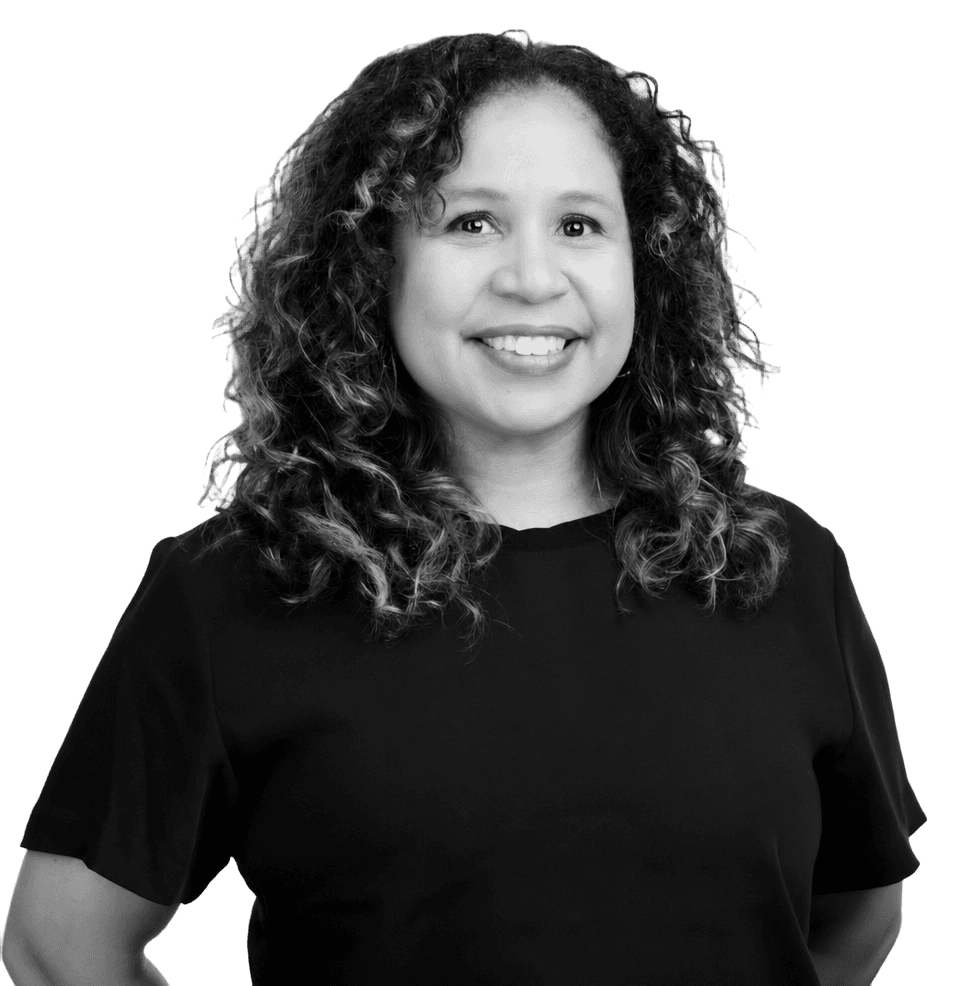
Iris Martin
Chief People & Culture Officer, Wallace Medical & Dental
What Did You Have to Let Go Of: A 30-Day Priority Check-In for Leaders
Key moments
Share Iris's words
In Iris's words
“People feel better when you have systems in place. They feel much more secure when they know what's coming.”
“Investing in culture is investing in safety, so staff feel that if you have an open door policy, they'll actually use it.”
“I don't see people strategy and business strategy as separate things. Workforce decisions and business decisions are the same decisions.”
About this conversation
Iris Martin is Chief People & Culture Officer at Wallace Medical & Dental, a community health center in the east Portland area, and recently stepped in as its interim CEO. Before Wallace she was interim co-executive director at Outside In, a Portland nonprofit serving homeless youth, and she also teaches at the University of Portland. She and Maddie talk about HR in nonprofits, why people strategy and business strategy are one thing, building culture on a limited budget, and a monthly check-in that asks leaders what they had to let go of.
Transcript
Read the transcript4,693 words
IntroWe had to let, you know, lay off somebody and we were letting them go and we couldn't find them because they had known that they were being laid off and disappeared.
HostWelcome to the Built by People podcast, Iris. We're so excited to have you on. Iris is the Chief People and Culture Officer at Wallace Medical and Dental, a community health center in the East Portland area. And this month she also stepped into a role as their interim CEO. Before Wallace, she was interim co-executive director at Outside In, a Portland nonprofit that serves homeless youth, and she teaches at the University of Portland at the same time and serves on the board of Home Plate. So that is probably a wild ride, a full— you have a full plate.
GuestI have a full plate. I have a full plate. uh, what people would like to call an overproducer.
HostYeah, well, that's great. I hope it's, I hope it's so fulfilling. Um, Okay, so my favorite question, what is the wildest thing that's happened to you in HR? Obviously that you're allowed to talk about.
GuestYeah, I think that this one is a, it's a fun question to kind of get us settled into what HR is and how you have to navigate and pivot, in any moment. Uh, we had to let, you know, lay off somebody and we were letting them go and we couldn't find them because they had known that they were being laid off and disappeared. We literally had to track somebody down
HostHow did you do that?
GuestThrough a series of phone calls, playing phone tag of like, what do you mean that they're not here? Like, where, where did they go? Because the end of the workday hasn't I saw this person. And so it just so happened that they had been in contact with another employee and they were able to, to really get them to come back. And, you know, we, we always want somebody to be successful in a role. And I think that it was, it, it was really that their position was being eliminated. And I think that they thought that it might have been something different. So it's one of those things where communication is just so key. Especially when you're working with somebody's employment, because that ambiguity really causes, like, a lot of stress for people. What we find in people and culture is that, you know, they're willing to do a lot to, you know, protect themselves. And really, we wanted this person to be able to go off in a really comfortable way. And if they didn't return, I was like, I don't think that we could do all of the things that we planned for them. So, Yeah, found them. We did
HostOkay, good. How long did it take?
GuestIt took about an hour, but we were able get them back. But
HostUm, well, like I mentioned, you, you worked at Outside In and Home Plate. Tell me your experience about those and kind of how, your experiences differ with a nonprofit.
GuestYeah, thank you. I really was excited to talk about this. I think with HR and nonprofits, it's a real homegrown experience. A lot of nonprofits don't have the luxury of having an internal HR department. Some things are outsourced. Some people step into the role from another role of like being a general manager or a director of a program, also takes on HR responsibilities and has to learn. learn the ropes, so to speak, or you're a department of one and serving a lot of folks. So I think that HR in nonprofit, as opposed to a more corporate or tech, you know, environment, is really learning as you go and trying to develop systems as well that maybe weren't implemented, that are maybe held with people historically that have left and pivoting It's a real transformative experience, I think, in nonprofit work and specifically with social services agencies. What I've learned is that, you know, I think that even though those systems have to be from this perspective of like we learn as we go and build the plane while it's in the air, people feel better when you have systems in place. Like they feel much more secure when they know what's coming.
HostWow. Yeah, that is, that's amazing. I always, I always look up to nonprofit work. I feel like it's a, it's such an amazing, like they're all for such an amazing cause.
GuestYeah. And I think that people work for nonprofits because they're mission-centered, you know, like they are, there's a servant leadership that comes with nonprofit that folks come to and they're attracted to myself. And I'm speaking for myself in this is that I find myself and I've always been drawn to the servant leadership. And so being in that position is that we are also supporting people who are mission-focused and client and patient-centered. And so with those experiences that I've had, especially at Outside In, people were really passionate about the work and about serving the client population and the houseless population in the Portland area. And what our job was was to support them. Like, that was, and by supporting them was supporting the managers, which I have a real passion about. And, um, I think that from an HR leadership perspective, but mostly from my leadership perspective, I have a, a real affinity for supporting managers and helping managers do the best that they can to support their staff.
HostHow does supporting managers differ from, or do they differ from, not, does it differ from nonprofit versus tech like you mentioned, or?
GuestI think so. I think that the, I think that that's where, where they overlap. I think that that's where when you have managers that are able to support the systems, support the mission, support the clients, and they all, they understand that those 3 elements all work together. It— what I see also with product development, people have to have a clear path of like, what's the goal? What are the objectives? What are the benchmarks that we're hitting to get there? I think in nonprofit work, it benefits for a manager to also understand that, but then there's this people element, this like real deep people element with nonprofit work that tech has been able to do. I would think that like what we see what happened with, with the way that Google like really invests in their people with their, um, their benefit programs and with their, the way that they've provided food even to their right? And so I think that a lot of nonprofit organizations have learned from that is that people respond well when they are taken care of in a way that looks different from their benefit packages. It's like, what is that total rewards? Program look like? And so I think that we've been able to, in nonprofits, learn what we can do with our limited budgeted— budgets, you know, to be able to create those total rewards or whatever you want to call them, cultural, like, expansion programs, or being able to really think of the whole person as the whole staff member.
HostYeah, I love that. Um, taking care of your people. I feel like that is, it's, um, It's a line that I've coined from, from, um, a CEO is people, not employees, right? It's, um, yeah, it's amazing. Um, your recommendation mentions you job craft to let direct reports' skills shine. What does that look like in practice when you're also the one setting, um, the organization's people strategy?
GuestI believe in the culture code, and I, you know, Doyle has this framework of like these three pillars, and the first one is safety, right? So, like, when you are driven by people's expertise, you, there's a sense of safety that that person then has to then be vulnerable to ask the question when they don't know something, right? So if you don't have that first pillar, and that's why I, I, I think people-driven and really supporting people with, their own expertise and their skillset and trusting them, that trust, then, you know, they feel they have a sense of that safety to then go into that vulnerability to say, I actually don't know the answer to that question, and I either need support or this is what this would look like. And the conversation opens, and then you move to that third part, which is what I feel is like, again, mission-centered but purposed. You know, what's the purpose of the work? And so when we move into that, we have that culture setting. I find that box one of that safety is one of the hardest areas. And I think that that's where we see a lot of HR workforce development leaning towards, especially in trends. We see about how do you create psychological safety? What does that look like? Building up, you know, performance management skills, clear communication. And, you know, we see trends in our, in our expertise and in, in people wanting to lean more towards like, what does it look like to support that sense of safety? Because that's what I feel like is people-driven, is that when you have those elements, people are willing to, to show up and do a lot of things for an organization, especially nonprofit settings.
HostI love that. Safety. Like, I haven't— I— you don't hear that very often, you know? Like, you hear like the normal like few core principles, right? But safety is huge. Everyone needs to feel safe and heard and, um, like they have like that they can come to work and, rely on a job, right? Especially in this economy, it's— that's a huge— that's a huge thing.
GuestRight. Right. And I think that the part about safety too is like, what I've really appreciated about Wallace is like wanting to have an investment in the culture because investment in that culture is also investing in that sense of safety for staff to feel like they can come and if you have an open door policy that they'll actually use it,
HostYeah, that's huge. You spent nearly 5 years as a financial coordinator at Fresenius. Fresenius, thank you. Sometimes I can't read. Before moving into communications and nonprofit work. What does that operations and finance background still show up in how you run a people function?
GuestAbsolutely. I think that my finance and operations background shows up. I don't see people strategy and business strategy as separate things. They go together. Like workforce decisions and business decisions are the same decisions, right? And I really have taken into from my own growth and experience from being a frontline manager, I mean, we can go all the way back from being a case manager to being a frontline manager to being a program director to then being in a C-suite, like, position. What I have seen is that all of those decisions mirror each other, and the finance and operational background helps me with understanding the data to then translate that data to the people. We have to give people a picture of what's happening. They want to understand as well. And then when I understand the human experience underneath that data, I'm able to translate it. And so I think that finance and operations background that I have, and that I've been able to implement into my people and culture strategy. Has been helpful. It's also helped me be a really good partner to our operations and finance folks. I think that here at Wallace, I appreciated the ways in which, you know, the CFO and I partner, the way that the chief clinical officer and I partner, because they are operations, they are finance, and we have to be able to speak the same language because they're translating, and we want our staff, our managers, to translate that to the staff. And so, building that in, like having that foundation, it's been nice to have the chief clinical officer tell me, like, it's helpful that you have an operational background to speak to these HR and finance decisions that are made.
HostYeah. Um, not to put you on the spot, but what do you, what would you say to those who don't have an operations or a finance manager, how to talk to them or how to kind of relate with them? when they need to.
GuestFind a— find your bridge builder. Who is your bridge builder that can be your partner, right? If you're not the one, then who is the one that could be a partner to you to help you understand what are the operations, ask questions, right? I think that I stepped into a role at Outside In where I had to ask a lot of questions. I had had youth development experience, but I was new to a community health setting. And so learning was part of my trajectory as a leader that I had to find my partner that would be— I would be able to ask lots of questions on. And I think that that's where when I started to build that, like, development of trust into somebody who does know what they are doing in that space. And so I had a clinical health services director that I partnered well with. I mean, just, we had a robust relationship where I was able to have that vulnerability and say, tell me more about this. Why is it important for a federally qualified health center to have these structures in place for encounters? Why do we, you know, track this data? And we were able to have an educational experience, you know, and I was able to help her understand like, hey, sometimes we have to make really hard decisions that are, that the people and the work decisions have to mirror each other. So, you know, I think that we wanna be able to protect our staff a lot of the times, but giving them more information is probably gonna be helpful in this situation. Or, you know, a sense of clarity with a level of professional duty is also important, right? So there's a way that you can have clarity without having a sense of deep transparency, is what I like to call it, where we're giving people information that they need in order to get their job done. And yeah, giving them, again, that sense of safety.
HostYeah. Wallace's work is explicitly framed around health equity in the East Metro County. Um, how does that external mission shape what you actually do inside of the organization on the people side?
GuestWow. You know, I think that Wallace, um, is absolutely incredible. So our staff is of the community. Um, so we, you know, Portland as a metro area is, is large and we have our West our West locations, like, and we don't have a location in the West, so just want to make sure to clarify that. So we have the metro region is large, you know, and we're separated by bridges and it's a wide space. So we're in East, in East County. And so in East County, we have like, people live here, they live work, shop, go to school here. They don't really migrate outside of the East Area. Like, it's pretty remarkable that people want to work here in their, like, their area where they live, where their families live, where their families also get healthcare from. Um, so it's a smaller, system here, and our staff live, work, go to school, raise their children, invest in homes. And so that is a core piece of who we are. It's our value too. So one of our values is community. And so we want to live and breathe that sense. And so that means that people are serving, they're serving their community too. So they're serving their neighbors, they're serving their, you know, also a friend or a parent that goes to school with their children. It's pretty cool. And so I think that doing that community-focused work, it feels supportive to all of us. All of the staff feel like it means looking carefully at whether we're creating an unnecessary barrier for the employees too, right? So we don't want to do that as well. So it has to be a whole integrated system that we understand we are of the community, serve the community and we represent the community.
HostYeah, no, I love that. I feel like it's, it's one thing to, to serve your, to serve patients, right? That are, that are around you or your commute of 30 minutes in, right? It's another thing to serve literally your neighbors. And that is, that is like a, a deeper level of service as well that it goes into.
GuestLike, I think That is the reason why I do come to work is that I think that for me, the importance is that the staff are wanting to come here and serve their neighbors, serve their community. And those patients are equally as just wanting to be here as well. So that equity of care and thinking seriously about the way the organization is creating an environment that they can actually do that.
HostYeah, that's amazing. Um, how do you build a good work culture? Um, especially with nonprofits, are there benefits or programs that you found that, um, help with employee satisfaction, employee retention, especially within a nonprofit? I know you do have that limited budget. Yeah.
GuestYep, yep. I really appreciate when I hear from like our partners that are in corporate settings, we get to learn from them, but we really do have to do like these à la carte models because of our restraints. You know, we are federally funded and federally qualified health center. We have to find ways to, you know, generate revenue and in different and very, very creative ways. So I think that a culture program is an accumulated everyday experience that people in the organization have. So we have to think about that in the way that we run our staff meeting, the way that we have our external and internal communication plans, the snack patch— pantry. You know, what does it look like for us to have our open enrollments be, you know, as well communicated and documented? But do they have access to a manager that they can have their open-door policy actually live and breathe? Do people understand what the handbook allows and does not allow, right? Like, I think that the everyday culture is built into the micro and macro experiences that a staff member comes into. So that is the reason why I do love people and culture and we're moving as a profession with HR into this more robust way of looking at it is that it is, as much as it is the day-to-day operations of HR, it is also about all of these other elements that speak to how a staff member experiences the organization.
HostYeah, that's amazing. tell me about your top priorities right now.
GuestYeah, I have 3. So moving into this interim CEO role is, the first one is building, again, I love, I keep telling my students too, if you could be a bridge builder, that is one of the like assets that you can have as a communicator and a communication studies student and a practitioner. So part of that is building our bridge in a partnership with our board. Our board is also of the community. We are a patient-centered board. So supporting the board, partnering with our board chair, that's my number one top priority that I have right now. It's good for Wallace. It is good for our future and our sustainability to have that partnership with our board. The second one is leadership. So it is one of the core tenets that I have right now is having a clear leadership structure, moving into having roles and titles make sense to our staff so they can be able to understand where the organization is headed. I think that as a nonprofit, we have grown. We started as a small organization of, I believe, in 2000. 2012, we had maybe 8 to 12 employees. It is 2026 and we are at 111 employees. So we've, we've grown. We're, we're, we're a growing organization. And so leadership is part of that growth. And so where change management is really coming into play right now, like as a leadership team, it's front and center and focused for us of like, how are we going to manage? This pathway that we are building towards a greater sustainability. So number 3 is the organization and the priorities. Like, do I, as the interim CEO, understand the priorities of the organization? Do my— are my leaders having a way to have that upward mobility of reporting structure up to me so that they are getting the support that they need? To do the work that all those folks that are seeing patients, building those relationships with our leaders to have a reporting structure for their priorities. So I'm kind of excited about that. Yeah, we are doing some change management assessments in our leadership team. We're also doing a 30-day priority check-in. So I have, you know, they've sent a form once a month to them. It's just a report. They enter in what are the 3 things that are on the top of your bucket? What were the 3— what are the things from last month that you were able to close and you're happy to say that you've accomplished? And then what did you have to let go of? What is something that you had to deprioritize to get those 3 things done? Yeah, so that's fun. That's the— I think that that reporting structure has helped us a lot here at our— at Wallace and during this transition and interim time.
HostYeah, what have you found, like, what have you found from doing that? That 30-day check-in.
GuestPeople are accomplishing a lot. They, I think that they didn't, um, prior to this, and this includes myself, I didn't see how much I was accomplishing from the month before because we're always going to the next thing. Having a moment to say, whoa, look what I was able to accomplish last month. Here are the things that I'm accomplishing or, or working towards this month. Here's what I had to deprioritize. Like, and some of 'em are like our passion projects that we were really excited about. Like we have a wall decorating, project that we've had on the books for months and it's like, I've had to again deprioritize that. I've had an engagement campaign that I was really very invested in rolling out. I had to deprioritize that last month to get the things that I needed to get done, previously, but I'm going to bring it back to my priority list this month, right? So keeping those things that we even deprioritized is saying we're not, not going to get those things done. They just couldn't get done in the last 30 days.
HostRight. You haven't forgotten about them and they, and you can still do them. There's still time.
GuestThere's gonna be time. There's
HostTime. There's always time. Um, okay. Last question that I love to ask, is there like, what piece of advice would you leave for our community? Whether it's, what you had wished you'd known before, um, something that you've learned. yeah. What is something that you would like to share?
GuestYou know, I wanna go back to communication. Everybody communicates differently, right? I cannot stress how beneficial it has been to have shared language among a group. So whether your group is 12 people, whether your group is 4 people, what is your shared, shared language that you're using to help you navigate? Because when you're in those challenging times, you can go back to that, right? Like we understand like, We've done these prep profiles, in our organization with our leadership. So we know that some of us are more exact— exacting, and some of us are more adaptive, right? So when we're in a really high-stress area, we'll know, oh, this ta— this team member is gonna be more exacting. And then, you know, this person's gonna be more adaptive. So this is why we're having this challenging moment. But when I call it into the space, We all know what we're talking about. Some people need to be in the details. Some of us need to, are just fine with operating in the gray. So, right? So like that has been, I think that in, when I was in my younger stages of my career, I might have maybe balked, uh, or just scoffed at one of those, you know, long surveys about my leadership style. But now I think that like, What is— when I think about my own financial and operational background now, what is the data about the team that we need in order to move forward? So shared communication is always the thing that I'm leaning more towards is that that's what seems to be helpful.
HostYes. Um, how do you, how do you suggest people find their communication style?
GuestOh, yeah. So I do love the prep profiles. So there's a, there's a, there, there's many ways of doing this, I think, but I previously used to do compass points. So compass points of whether, whether you're north, south, east, or west. So, um, north are more like, uh, decisive folks. Uh, south are maybe more cautious and maybe think more about things, and west are more of that doer, we get it done, and then east is more of like a visionary thinking about, so where do you land on the compass point by the questions? So that's a tool that I think is online if you, um, are able to look up. There's a few different, uh, iterations of that, but that's one that I really like. I'm also a big Kim Scott fan. I use radical candor as my own, um, way of describing the way that I will show up in a meeting to folks that don't know. High challenge, high care, always trying to like, where am I on that? But also checking myself when I'm in ruinous empathy, right? Like obnoxious aggression. I love all of those. Again, shared language has been really helpful, but it also helps me communicate with our leadership team. Like when one of us is in another area of, of, oh, I saw you really jumping into this high challenge, high care. And I really wanna say I appreciate that, you know, and there's these elements where I'm still seeing that there's this like ruinous empathy where you're really taking into this, like, I don't wanna hurt somebody else's feelings, but we have to challenge that thought and think about how is the feedback benefiting that person.
HostYes. Yeah. Having those hard conversations, having those conversations, communicating. I can't wait to take all of these tests after this. This is so fun. I'm one of those that I love to take them, so I'm like, I think, I mean, maybe I'm an anomaly, but I think it's so fun answering some little questions.
GuestYou are. They're fun. They're fun. They're good to know about yourself too and being like, oh, I didn't know that about me.
HostYes. Yes. Well, thank you so much, Iris. It was so amazing learning from you. You are amazing. Um, just taking so much on your plate and, um, it's so fun learning from you. So thank you so much for joining me.
GuestThank you, Maddie, for having me. I really appreciate this conversation.