Episode 273 · July 11, 2025 · 15:13
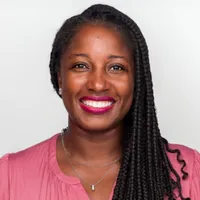
Emma Hayes
Chief Learning & Development Officer, SECU
Beyond Content: How a Listening Strategy Transforms L&D in Times of Change.
Episode 273 · July 11, 2025 · 15:13
Beyond Content: How a Listening Strategy Transforms L&D in Times of Change.
Key moments
In Emma's words
“My career journey was haphazard. I found myself in a few positions early on in my career that really situated me for where I am today. I love people. I love knowledge exchange.”
“The best thing for us to do at that moment would be to listen. So, I created a listening strategy that we rolled out so we could capture feedback from our leaders. So, rather than to just make assumptions about what we thought they might need and create a bunch of initiatives and programs that may or may not hit the mark.”
“One of the major components that we used to do that was we built a consistent shared leadership language, so a common leadership language that we could really anchor conversations around change across the organization.”
Transcript
Read the transcript2,103 words
IntroWelcome to the Built by People podcast, where we share the stories and insights of the world's top HR leaders. Join us as we dive deep into the minds of HR executives, uncovering their strategies, challenges, and triumphs in shaping today's workforce.
HostI'm excited to welcome Emma to the Built by People podcast. Emma, thank you so much for joining us today. And as a starting question, I always love to ask if you could share a little bit more about your career journey.
GuestMy career journey was haphazard. I found myself in a few positions early on in my career that really situated me for where I am today. I love people. I love knowledge exchange. So my computer engineering wasn't going to work so well sitting behind a desk all day. Once I found Markle's training, I thought this was perfect. And so here we are.
HostEmma, can you share a time when you recognized the critical gap in employee readiness or leadership capability at your current company? What was happening in the organization or external environment that made this challenge?
GuestSure. One, significant instance that I can recall very clearly happened as the organization was going through a technological transformation. So we were going through a lot of changes in our technology, and we had our CEO suddenly and unexpectedly transition from the organization. And that change in leadership really created substantial mental and emotional disruption for the company, for the employees.. And so, for a lot of our teammates, it really raised some immediate concerns about the organization, like about where we were headed, about how stable we were, about what this meant for us in terms of our current and future. So, it was really clear to me that our leaders at that point needed something because they were struggling to really just manage the uncertainty that came with all of the shift and all of the changes that they were experiencing in that particular moment. It just created this ripple effect, one thing after another, and it was widespread. So the leaders found themselves in a place where they didn't just have to— hey, apologize— they didn't just have to navigate their jobs, but they also had to figure out how to navigate the changes that they were experiencing and help their employees get through that change too. Another challenge emerged where there was this influx of misinformation that just began to flood the organization. So it led to confusion and speculation and a lot of mistrust. And so that dissonance really intensified and there was a real clear need for some type of empathetic leadership and transparent communication that I don't think our staff at the time felt like they were experiencing. These were the situations that just created a perfect storm.
HostEmma, once you were clear on what the gap was, how did you go about designing a development strategy that actually moved the needle for employees and leaders? And what frameworks, tools, or partnerships did you lean on to start closing that gap?
GuestSo once it became clear to me that our leadership was really struggling there was this disruption that had been created and it was creating a significant readiness gap for us. I thought the best thing for us to do at that moment would be to listen. So, I created a listening strategy that we rolled out so we could capture feedback from our leaders. So, rather than to just make assumptions about what we thought they might need and create a bunch of initiatives and programs that may or may not hit the mark. We went through a series of very strategic listening sessions, pulse surveys, and some small group feedback sessions just to really understand where the greatest pain points were. And I found that this approach really helped to surface some clear themes around what was really the true struggles which were trust and uncertainty. There was a lack of clarity around where we were headed and who we were. That really helped us hone in on where we needed to focus our energies. So we began to target that— those two areas, communication and trust, and develop strategies around that. And one of the major components that we used to do that was we built a consistent shared leadership language, so a common leadership language that we could really anchor conversations around change across the organization. We partnered with an organization that provides leadership development. We leveraged their framework to introduce some of the core concepts that we knew would be needed to really help us with adaptive leadership, with psychological safety, and then with leading through change. This gave all of our leaders not just the tools that they needed, but it really gave them language and terminology that they could use to find a sense of alignment between what they were experiencing, what they knew to be true about our organization and where we were headed, and then help to focus their energies and face them in that direction. So that we could understand that they are not facing these challenges alone, but that everyone in the organization was going through the same thing. So by grounding the approach in what we heard directly from our employees and aligning those needs with a structured framework around leadership development, the partner that we used, Center for Creative Leadership, really gave us foundational components that we needed to really start to build a common leadership language that helped to have better conversations around change, change management, how to help your employees get through that, how do we build trust, how do we reduce misinformation. And that gave them a sense of empowerment. And then they were ready to really reengage with their teams. Confidently and authentically in a place where they felt. So it was really a powerful, for me, a really powerful reminder that developing strategies should always be rooted in listening, not just learning design. And I think that's sometimes where we miss the mark, especially when there's so much change going on and disruption going on around us.
HostEmma, as you begin rolling out these learning and development initiatives, What were the biggest hurdles in implementation or adoption, either from leadership or employees, and how did you overcome those?
GuestSome of the biggest hurdles, we— there were a couple, but the one that really seemed to be prevalent was change fatigue. So, by the time we started rolling out leadership development initiatives based on what we'd heard, our employees and our leaders, they were at capacity. There had been so many shifts and transitions in the organization, and I'm not just talking about the CEO transition, but technology transformation and just broader changes across the organization in general. So they were mentally and emotionally, like, fatigued with all of the changes that were coming down the pipe. It was really difficult for them to fully engage in anything, yet alone another initiative. So it was just one more thing, one more thing, one more thing. And we really were trying to support them, but it would, I'm sure, feel like one more thing that they had to do. So we quickly realized that we needed to adjust the pace of change. And so we wanted to set a realistic pace that we could ensure that was emotionally and mentally sustainable for our employees. So we deliberately made that shift to pump brakes a little bit, slow down just a little bit so we could roll out and prioritize the most critical elements first, ensuring that we could bring bring all of our employees along with us and not leave them behind, not drag them behind us. So we framed it as the tools that we needed to help, but through a process that helped us slow that change down just a little bit to make it palatable for our employees to get on board and not be so exhausted by all of the change. It gave our leaders permission to model vulnerability, to let them know that it was okay to be tired and to express that to us so that we could help them navigate, give them tools to help navigate that. It helped us reframe some of the support initiatives that we had, that we've been offering. And then just adjusting the pace helped us bring the focus back to the people, and it really did help to build gain more trust from our employees and help them increase their engagement. And it started to feel less like—
HostEmma, what impact did these efforts have on the organization's ability to adapt to change and serve members exceptionally? Can you share any specific results or moments that validated the approach you took?
GuestYeah, so when we deployed our listening strategy and we aligned our initiatives to the themes that we heard coming from our feedback from our employees, and we adjusted the pace to make sure that we could make sure that all of our employees had the capacity to continue to receive these changes, we saw some clear shifts. From a quantitative perspective, our pulse surveys, we saw noticeable improvements in employee engagement. Trust in the quality of communication. So when we measured these things, we saw significant shifts in the positive direction around trust from our leaders, around communication, and confidence in the direction that we were headed. So these were some really critical indicators for us that the strategy that we deployed was resonating with our employees. So again, to really help us put together a really strong infrastructure for helping to navigate through all of the changes that they were experiencing. But beyond the matrix that we used to gauge our listening strategy, we also saw some stronger alignment in our strategic priorities and the resource allocation. So people now had a better— they weren't so head down that they weren't able to look across the organization. Leaders could now collaborate more effectively and efficiently. They were able to focus on their teams and make really impactful decisions because they can partner across the organization. It was just really a renewed sense of collaboration, getting back to the things that really set us apart to begin with and always are our secret sauce. And when we give them an opportunity to do the things that they do, which is work really well together, they— we saw the impact.
HostEmma, what parting advice would you like
Guestto share with our community? Advise anyone who works in learning and organizational development to start any initiative with a solid listening strategy. Too often learning efforts really begin with content, or they begin with a curriculum, or they begin with a subject matter expert saying, here's what we need for you to do for us. But if you build your learning initiatives on a strong listening strategy, you're going to have a measurable impact on your overall learning culture. It will help you understand what are people truly experiencing, what is their current capacity to even take in something new, what are the gaps, and where do we need to fill in those gaps. So my First piece of advice I would offer is always start with listening. Then I would say, second, align your learning to your organizational priorities. Make sure that there is direct alignment between the things that you are rolling out across your organization and the organizational strategic priorities that really will define the success of the organization. If you can align your efforts to the organization's strategic priorities, your execution is going to really help you gain the type of impact that you want and need as a support arm of an organization. So, that means embedding development into the flow of work, linking it to the strategic goals, using shared frameworks across the organization, and then making sure that there's just consistency, like that you're doing this consistently. You're evaluating, you're going back, you're checking, you're making sure, and you're always starting with listening. So the moment your metrics start to stagnate, determine whether or not, okay, are we still going in the right direction? How do we determine if we're still going out? We start listening. So always circling back to that as the foundation for anything that you want to roll out across an organization.
HostEmma, thank you so much for joining us today on the Built by People podcast. It was a pleasure to have you involved.
GuestThank you so much for the opportunity.
More conversations like this