Episode 104 · February 24, 2025 · 12:51
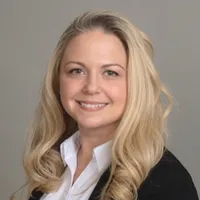
Doug Owen
CHRO, Washoe County School District
Culture-Driven Success: Empowering Employees for AI-Fueled Organizational Transformation.
Episode 104 · February 24, 2025 · 12:51
Culture-Driven Success: Empowering Employees for AI-Fueled Organizational Transformation.
Key moments
In Doug's words
“One of the last projects that, that we were working on was implementing a new human capital management system... they said, well, how would you do it? And you got the job. So that was my transition into HR...”
“I firmly believe in empowering people. To leverage their strengths and accomplish those objectives. And if you have that right culture and the, and the people can, can do that, you end up being very successful in achieving your outcomes.”
“A lot of people, even on the team, were like, there is no way we're We're going to be able to get this done in 3 months. And they did it.”
Transcript
Read the transcript2,133 words
HostWelcome to the Built by People podcast, where we share the stories and insights of the world's top HR leaders. Join us as we dive deep into the minds of HR executives, uncovering their strategies, challenges, and triumphs in shaping today's workforce. I'm excited to welcome Doug to the Built By People podcast. Doug, thank you so much for joining us. And as a starting question, I always love to ask if you could share a little bit more about your career journey.
GuestYeah, sure. Thanks for having me, Dave. I really appreciate it. My career journey actually started in IT. I spent 12 to 17 years in global operations for IT before I went on to really build out a project management organization within Koch Industries, and it was focused on IT primarily. One of the last projects that, that we were working on was implementing a new human capital management system. As we transitioned into that space, it was the first time putting everybody in one system around the globe. And having some experience in global leadership, I had a lot of questions about how we were going to get that done. And they said, well, how would you do it? And you got the job. So that was my transition into HR, decided to have shared services around the globe for Koch Industries. Following that, more local, spending some time with my kids. I do have 2 kids. And I took on a role as the Chief HR Officer within Washington County School District. And coincidentally, they're doing an ERP implementation. So it worked out well that my experience from IT and HR have combined themselves in this new role.
HostAwesome, Doug. Thanks for that great introduction. My first question for you is related to culture, and I'm curious to get your perspective on how you believe organizations can effectively build a culture that both prioritizes people and also aligns with an organization's core values?
GuestYeah, great question. I think when we talk about organizations and the culture that exists in those organizations, I, I believe it starts with vision and purpose. There's gotta be a mission of the organization. People have to rally around and really be advocates for that mission and to be successful. It starts at the top. The executive level has to be the champion. In that vision and purpose, you establish the way you're going to get work done, and that should become your core values or your guiding principles. If you engage correctly in that, you're engaging your teams, your stakeholders, the people in your organization that make it the business. They can then harness the power of that culture and that vision to accomplish great things. I firmly believe in empowering people. To leverage their strengths and accomplish those objectives. And if you have that right culture and the, and the people can, can do that, you end up being very successful in achieving your outcomes.
HostDoug, you touched very briefly on this concept of guiding principles. Curious if you can share an example of how guiding principles have influenced decision-making in your current role.
GuestYeah, so guiding principles are things that they last forever. They're kind of human nature and innate and I believe they exist over the history of time. You can, you can go back to Roman times if you want, through the Industrial Revolution, here to where we are today. And there are things like accountability, integrity, respect, and, and we have one here at the school district around continuous improvement. As you can imagine, we, we have to balance operations with consistently pursuing improvement in our operations. An example of that, this last summer we were doing open enrollment on pieces of paper and sitting down individually with every single employee. And that was, you know, 8,500 meetings individually with 8,500 pieces of paper to go along with it. And in a short 3 months, we transitioned that to an online open enrollment format where people could go online, select and see what they had previously had of their benefits, and then select new for this coming year. A lot of people, even on the team, were like, there is no way we're We're going to be able to get this done in 3 months. And they did it. They did it so well, actually, we had more people, more individuals, members, and employees enroll in open enrollment than we had in any of the previous 3 years. So what it did was it enabled people to enroll at their convenience. You'd see people enroll at, you know, 10:00 PM on the weekend when they didn't need to have an individual conversation. And to make that successful, we really had to push into the team, you know, excellent change management, communication, and my amazing benefits team just made that possible. They really worked their hearts out and they got it done. One example of continuous improvement, and they know it's not over yet. We found opportunities and lessons that we can take back and continually improve and iterate on our process.
HostThanks for that great example, Doug. I want to dig a little bit deeper into your background in IT, because it sounds like that's obviously played a pretty critical role in enabling technology adoption within the organization that you're running. What challenges, though, have you encountered when integrating IT knowledge into HR practices, and how do you overcome those?
GuestYeah, so that, that's great. Two challenges that come to mind. The first one is IT is a very logic-focused, process-oriented organization most of the time. You hear all the stories about how people on the help desk, you know, did you unplug and replug in your pads? And it takes out the human element because they're following a bit of a script, if you will. And so you try to train your IT people to, you know, be more empathetic or understanding within the people space. And then the second challenge I think is helping people understand the art of the possible with technology to really improve their processes. In the IoT space, we're constantly looking at, well, you have this new fancy, you know, be it artificial intelligence or machine learning, or even just a decade ago, right? Moving things to the cloud and what is the cloud? And then you get into an HR space where it's been very people-focused. And the example I often talk about with the team is, you know, in the mid-1800s, in order to go faster across the town, you got another house and a horse and added it to your carriage, right? So now, you know, 1885 rolls around and Karl Benz invents the automobile, or at least patents it. And people weren't even thinking about a car, right? Using the steam engine or using an engine. And so with IT, I tell people technology can do anything. You want it to do. You just have to be able to think that way and be able to change hearts and minds to be able to leverage the technology. So the challenges are training people, right, people, and then helping them understand that there's so much the technology can do. We don't have to do it the old way, essentially.
HostThanks for that answer, Doug. I really appreciate it. My next question is around fostering a people-centric organization. Just reflecting back on your early career experiences, what are some of the strategies that informed fostering a people-centric organization and any lessons learned along the way that you'd like to share?
GuestYeah, I think my early career, I was lucky. I worked for a technology company, of course, but they invested a lot of time in developing people. And, you know, that was the role of a leader, a supervisor, a manager was to develop people. And what did that look like? You know, hey, let's job shadow. Let me bring you along and help you learn the technical aspects. But also let me help you learn, you know, sometimes you have to hold people accountable in an opportunistic type of way. And other times you get to reward them. That's equally holding them accountable. But it really revolved around developing people. And then as I progressed, I think, you know, Koch Industries has a very well-embedded culture, but I learned a lot of things from that environment where it's about believing in people and identifying their unique attributes, innate abilities. Everybody has something to contribute if they're in the right role. It was really about, hey, we have this mission and objective to go accomplish, but over my last 20 years, at least, it's really been about how do I get the right people in the right roles? You watch people flourish. And if you can do that, you can take advantage of those strengths. Your organization becomes focused on how do I leverage the people I have, not I need to better align the organization itself. It starts with your people. The finance team will tell you personnel is most of the expenditure in the organization. I tell them, how do we put it to best use? Because those individuals are all here working hard and I believe they're all, they all want to make a difference. So how do we get them to perform in that way? Is just an individual conversation.
HostDoug, what trends or changes do you foresee in the field of HR that organizations need to be prepared for?
GuestMan, yeah, this one. So my first answer will sound a bit cliché, I guess, because we've been talking about it for several years, but AI and artificial intelligence and how do we really leverage that technology working in tandem with people. So can't just talk about it in terms of the way you use an AI assistant on your mobile device or something, but answering FAQs and doing pre-programmed activities. I always receive this, so I need it to populate a system. And people get a little fearful of that because they say, well, that's my job. You're going to take away my job. And I like to tell people, no, I actually want you to work on higher value things. And this is that migration in the HR space from transactional work to really transformative, where we can be a consulting partner to our business, not just run the paperwork in the backend and be an administrative function. So that's, that's one. I think the second one that we're going to see that, you know, in the HR landscape that we need to prepare for is healthcare. There's, we can talk about how disorganized or how troublesome it is to navigate healthcare process. So I kind of challenge us as an employer, how do we help our employees navigate that system, be it the, you know, health insurance company and the TPA, your pharmacy, your provider, and really help people understand, you know, the costs associated with going to, let's say, an emergency room versus going to see your primary care for an urgent care, or how telemedicine works. There are so many different vendors, so many different areas of support within healthcare. Their employees get confused, frustrated. You have a sick workforce kind of thing, and they call out sick when they have resources available. They just don't know how to leverage them. And so I believe, you know, in the HR space, we have an opportunity to take it upon ourselves to help our employees navigate that and ultimately lead to a more engaged and healthier workforce.
HostDoug, any parting advice you'd like to share with our audience?
GuestYeah. I talk a lot about culture. One thing I like, you know, to pass on to everybody is every organization has a culture. If you haven't implemented a very intentional culture, one exists that may or may not match your intended vision and mission. So I would just say conduct culture interviews, stay interviews, however you want to check the pulse of the organization. It's not always a survey. Get out of your office. In my situation, I go out to schools. And I talk, right, with assistant principals or teachers to stay informed, to make sure that we look at our guiding principles as something that, and our vision, as something that should span every employee at every job. You have a culture in your organization. Hopefully you know what it is, and if you don't, you better find out.
HostDoug, thank you so much for joining us on the Built by People podcast. It was a pleasure to have you involved.
GuestAll right. Thank you for having me. I appreciate it.
More conversations like this