Episode 32 · December 31, 2024 · 11:32
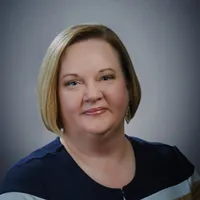
Shelley Okeefe
Chief People Officer, Platinum Dermatology Partners
Chelle Okeefe, Chief People Officer at Platinum Dermatology Partners
Episode 32 · December 31, 2024 · 11:32
Chelle Okeefe, Chief People Officer at Platinum Dermatology Partners
Key moments
In Shelley's words
“I think you have to start with what works. Oftentimes I, or what's already working. Oftentimes I see senior leaders put out values or a mission statement that is aspirational... I think you have to start with what's already working in the organization.”
“What it taught me was to think about the customer experience... you can take those same philosophies and apply them to the employee experience... think of our employees as our customers.”
“This could be a little controversial, but similar to how a marketer thinks about customers, not all employees maybe are valued equal in an organization when you think about the value they drive to the business.”
Transcript
Read the transcript1,769 words
HostWelcome to the Built by People podcast, where we share the stories and insights of the world's top HR leaders. Join us as we dive deep into the minds of HR executives, uncovering their strategies, challenges, and triumphs in shaping today's workforce. I'm excited to welcome Shelley to the Built By People podcast. Shelley, thank you so much for joining us. And as a starting question, I always love to ask if you could tell us a little bit more about your career journey.
GuestAbsolutely. Thanks, Dave. It's great to be here. So I had a non-traditional journey into the HR field. I actually, my background is industrial organizational psychology and I started out in training and development. So I had an opportunity to really learn the, what I would call the HRM side, an HR, excuse me, an HRD side of the business and do different things of leadership development. I also spent some time in sales training and I reported to a COO and a chief marketing officer in those roles and was able to learn really the sales and marketing side of the business, which came in handy later because I also spent time as the head of the marketing and communications team at a company called Associa before I transitioned into the CHRO role. So actually when I transitioned into the CHRO role and the head of HR, I actually did not have core, core HR experience as defined by payroll, benefit, employee relations, those types of things. So those came later. But all of the change management, org development, individual development really made up my path.
HostAwesome. I wanna jump right in and my first question is, how do you approach shaping a company's culture and making sure that aligns with both the leadership values and employee expectations?
GuestYeah, it's a great question. I think you have to start with what works. Oftentimes I, or what's already working. Oftentimes I see senior leaders put out values or a mission statement that is aspirational. And while those can be great drivers and potentially a good opportunity to shape behavior, a lot of times those values go up on a wall and never get fully actualized. I think you have to start with what's already working in the organization. And then transition those over time, possibly to the aspirational values. But maybe there's an in-between, between what a leadership team sees as one and what actually already exists in the organization. But I'm a big believer in things like appreciative inquiry and those types of philosophies that mean we start with what's already good and working in the culture.
HostShelley, you have a, a background in marketing. Curious to get your perspective on how that marketing background has influenced your approach to culture and change management within the organization.
GuestYeah, absolutely. So as I mentioned in my career intro, I was fortunate enough to spend some time in sales training and then working with the chief marketing officer to learn a little bit more about that part of the business. And, and what it taught me was to think about the customer experience. So as, as we think about marketing more broadly, marketers are hyper-focused on who are their targeted demographics, what experience are they trying to drive within those demographics to drive better sales. And you can take those same philosophies and apply them to the employee experience. So as we think about what are we trying to create in a culture, how are we shaping values and mindsets and behaviors we can really think of our employees as our customers. Who are the key demographics? Who are the key positions that we're trying to influence and shape? Because, you know, this could be a little controversial, but similar to how a marketer thinks about customers, not all employees maybe are valued equal in an organization when you think about the value they drive to the business. And like I said, that could be a little controversial. It doesn't mean that employees employee groups aren't valuable. It just means that some drive revenue, drive the performance of the organization a little more than others, and identifying specifically those and driving the employee experience toward improving those specific demographics' experience can really make a massive difference in an organization. And so I would just encourage people to think about certainly table stakes for an organization are the key elements of the company that influence all employees and benefit all employees. But as you really think to drive a high-performance organization, who are those key individuals? Who are those key roles in the organization? What do they need? And how do we drive the experience specifically for them?
HostWhat steps do you take to create a strong internal brand that resonates with employees and aligns them with the company's mission and values?
GuestSo I'm such a huge believer in getting the voice of the employees. So again, going back to this idea of customer experience and employee experience, brands in the marketing space, they call it the voice of the customer, making sure that you're always thinking about who is your customer, having them at the table. Again, same with your employees. How do you have their voice at the table? And so how frequently can you get their feedback? One of the best ways I found to align the brand work is by asking your employees, the ones that really love to work at your company, what do they love about the organization? It ties all the way back into what's already working in the organization. And so I've used surveys where you ask questions, we call it like the net promoter question of, you know, how likely are you to recommend the company to your friends and family? For the people who highly rate that question, follow it up with a question around what do you love about the organization? Get their words and then think about how did their words align with the values, align with the mission, align with what leadership is looking for, the connection between those two create a really powerful employer brand.
HostCan you share what providing a platinum experience for employees looks like and how it contributes to talent attraction, engagement, and retention?
GuestYeah, so we talk about, so I work now for an organization called Platinum Dermatology Partners. We are in the dermatology space. And So we have coined the culture that we are building as the Platinum Experience, which I think is a really great way because already tying platinum to it gives you a sense of an elevated experience. And so we are in the early stages of putting some pieces into place. But again, it goes back to who are my key audiences? And in healthcare, you have really different audiences. You have some of your frontline team members who are checking in your patients, who are getting your patients in the room and maybe taking some of their initial vitals. And then you have your physicians and your providers, your physician assistants, different audiences. How can we create an extremely positive, what we say, an exceptional experience for both of those audiences? Because they look really different because the thing that our physicians and our physician assistants, our providers really means they're at a different income level, they're at a different education level. You know, even their age is different than as we look at more of our medical assistants, our front desk coordinators, more of our customer experience team. So we have to really divide out those demographics and those team members and think about what makes exceptional, what does exceptional mean to them? How do we create an exceptional experience for each of those audiences?
HostShelly, I want to talk about post-acquisition and kind of the challenges and opportunities that exist for creating a cohesive organizational identity after going through M&A activity. How do you align company culture and brand identity after a series of acquisitions to create that cohesive organizational identity?
GuestI mean, I think that's the million-dollar question, Dave. Honestly, that is not an easy opportunity because if you think about how culture is, any of those acquisitions have their own culture prior to becoming part of the larger entity. And so the key, I think, is to not destroy what existed prior by trying to be too dominant with, with the acquiring company's culture. And so it's not an effort of coming in and saying, this is the new culture, this is how we're going to be. But allowing evolution across all of the entities. And so that's the trend and kind of the difficulty because as you think about leadership teams and shaping and creating culture within their own minds and their own practices, but then also keeping that flexible enough for every time there's another acquisition, how does that add or shape or evolve the culture that already existed as opposed to us imposing that culture onto the new entity. And so it just means, and this is true anyway, but it just means culture is always evolving and you have to be flexible to allow that to be the case without losing whatever it is that is the core essence of what matters to the organization. So it's that balance between flexibility and absolute truth. So.
HostShelly, any parting advice you'd like to share with our community?
GuestI love culture work. So I think, you know, and that's really shaped my career. So as I think about, you know, anybody out there who's trying to do the same thing, first of all, don't get discouraged if you're a party of one. Sometimes some of us have the vision before our leadership teams maybe catch it fully. And remember, one of my best phrases that I've heard recently is, culture, creating culture is a balance of heart and science. And so there are key things, and you can find definite models and programs of how to build culture within your organization. Just make sure that you, as culture warrior, that culture champion, keep your heart in the game and stay optimistic and stay focused on the fact that at the end of the day, it's all about people. It's all about helping them, creating an incredible and exceptional experience for them, and that will continue to be your North Star.
HostShelly, thank you so much for joining us on the Built by People podcast. It was great to have you on.
GuestThanks, Dave. It was my pleasure.
More conversations like this