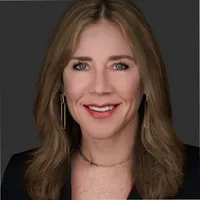
Episode 28 · December 23, 2024 · 7:04
Shawnee Irmen
Chief People Officer, Thriveworks
Unlock Performance: Strategic Well-being & Psychological Safety Drive ROI
Episode 28 · December 23, 2024 · 7:04
Unlock Performance: Strategic Well-being & Psychological Safety Drive ROI
Key moments
In Shawnee's words
“anyone who has a balance between their mental and physical and even spiritual well-being are proven to be more engaged in their day-to-day professional responsibilities. Thus, in turn, there's a reduction in silent quitting or a boost in overall morale as well as productivity.”
“Thankfully, here at ThriveWorks, our CEO and our CFO see the correlation between employee well-being and company performance. So as long as I can continue to prove the ROI for some of the initiatives that we want to implement and do, I know that I have their and our executive team's support.”
“psychological safety could be one of those key phrases that so many organizations during COVID post-COVID have tapped into, but I think it's one that is still under-talked about. It definitely doesn't get as much attention as it needs.”
Transcript
Read the transcript1,225 words
HostWelcome to the Built by People podcast, where we share the stories and insights of the world's top HR leaders. Join us as we dive deep into the minds of HR executives, uncovering their strategies, challenges, and triumphs in shaping today's workforce. I'd like to welcome Shani Deanda to the Built By People podcast. Shani, so great having you involved here. I'd love to start out by asking you to tell us a little bit more about your career journey.
GuestYeah, thank you so much for having me. So I think like many other people that started out in their college journey, I was not 100% sure exactly what I wanted to do, um, but I had the opportunity— my university put together like a career fair and there was a CHRO from a major healthcare system in the Northeast that spoke, and her passion came through in such a way that I was like, I know exactly what I want to do. Like that— I want to be that person right there, mainly because she continued to talk about how she takes care of employees who do like the critical work, and I thought thought, oh man, you know, that's something that I want to do. Might not be like a frontline person in the healthcare industry per se, but I could take care of the people who are frontline. So yeah, so spent and been in HR for a little over 20 years with a passion for the healthcare industry, of course. And yeah, a little bit about me.
HostYeah, as a health company, why do you believe it's crucial to keep employee well-being top of mind right now, and how do you ensure it remains a priority?
GuestYeah, that's a great question. So it's critical to keep your employees' well-being top of mind, not only because it's the right thing to do, but also because in doing so, you're also driving positive outcomes for the organization that you support. So anyone who has a balance between their mental and physical and even spiritual well-being are proven to be more engaged in their day-to-day professional responsibilities. Thus, in turn, there's a reduction in silent quitting or a boost in overall morale as well as productivity.
HostSo And how do you balance the need to care for employees' mental health while also making sure the business achieves its goals?
GuestYeah, so it's my job to walk that fine line that is balancing doing as much as you can for your entire workforce from a wellbeing, benefits, total rewards perspective to also ensuring that this is not at the expense of our overall organizational performance. So a healthy, invested workforce drives reaching company goals, and that's where my partnership with finance, our CEO, and our executives come into play. Thankfully, here at ThriveWorks, our CEO and our CFO see the correlation between employee well-being and company performance. So as long as I can continue to prove the ROI for some of the initiatives that we want to implement and do, I know that I have their and our executive team's support. So definitely a balance.
HostIn terms of psychological safety, what are some of the practices you have in place to support employees through both good and challenging times?
GuestYeah, so I think, you know, psychological safety could be one of those like key phrases that so many, you know, organizations during COVID post-COVID have tapped into, but I think it's one that is still under, under talked about, you know, it definitely doesn't get as much attention as it needs, but a positive team climate is the most important driver of psychological safety. And that's something that we focus on at ThriveWorks is making sure that, you know, we have strong company values. They're very important for all of our, you know, leaders. We kick off our meetings with our core values, for example. So it's important to ensure that they're carried through all of operations. So kind of looking at our core values as what our guiding light would be in the good times, in the bad times. So during those good times, also making sure that we reflect and celebrate the wins that we've had, whether it's individually or as a team our organization overall. And then the same in the challenging times, you know, tapping into the resources that employees can access that we offer them, whether it's like a safe space or peer-to-peer groups, employee resource groups, EAP, things like that to make sure that they have support as needed.
HostWhat proactive measures can you take to help employees feel supported and prepared, especially when facing unexpected setbacks?
GuestYeah, so fostering a company culture of mutual respect and empathy is absolutely crucial. It's the most proactive thing that we can do to be ready for unexpected setbacks. So people managers play a key role in maintaining stability during these times, and we also need to ensure that they're ready and armed with the right tools to provide support. So in some cases, they may need to identify the need to provide that support, um, and then they'll tap into HR. We have a laundry list of resources available as well.
HostAnd how do you help managers create an environment that balances empathy and accountability, especially during high-stress periods?
GuestYeah, so having clear expectations is so important so that every single person's aware of exactly what they're accountable for. And then we try to kind of create a culture of openness. So we give all of our people leaders training, constant training on— we do a monthly series that our people leaders tap into, but it's how to have crucial conversation. Not everybody is born a people leader. It's not something that's innately within us. And even myself, you don't want to have those difficult conversations. And so arming them with how to be able to have those difficult conversations, whether it's a personal situation your employee is dealing with or professionally, if they're not, you know, performing up to par. And so creating a culture of openness to be able to do that, you know, making sure that employees feel supported, that people leaders also feel supported to have those difficult conversations, or it's just leaning into the partnership with HR overall and people leaders.
HostSharni, what parting advice would you like to share with our audience?
GuestYeah, so I guess as cliché as it sounds, like, your people are truly your number one asset. And when you operate your business believing so, your employees are more and more willing to constantly go above and beyond for the organization. I think people want to work for managers and companies who make them feel valued and who respect them, but also who trust in their abilities to drive the company forward. So, I guess my parting advice would be that we owe it to our employees to treat them as the subject matter experts we knew they were when we brought them to our organization. And in turn, I've seen literally everything operationally, financially, productivity-wise fall into place at or above goal when we do that.
HostShani, thank you so much for joining us on the Built by People podcast. It was great to have you involved.
GuestThank you so much.
More conversations like this