Episode 81 · February 6, 2025 · 2:30
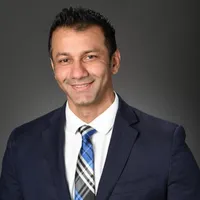
Nabeel Ahmed
SVP, CHRO, EnLink Midstream
Stop Just Taking A Seat: HR Must Become The Strategic Table-Setter
Episode 81 · February 6, 2025 · 2:30
Stop Just Taking A Seat: HR Must Become The Strategic Table-Setter
Key moments
In Nabeel's words
“Nabil, you've advocated in the past for HR professionals to move beyond having a seat at the table to setting the table. Can you elaborate on what this mindset shift means and why it's important?”
“What specific competencies do you believe HR professionals need to develop early in their careers to effectively transition from being a seat taker to a table setter?”
“How can HR professionals build that needed credibility with business leaders?”
Transcript
Read the transcript305 words
IntroWelcome to the Built by People podcast, where we share the stories and insights of the world's top HR leaders. Join us as we dive deep into the minds of HR executives, uncovering their strategies, challenges, and triumphs in shaping today's workforce.
GuestI'm excited to welcome Nabil to the Build by People podcast. Nabil, thank you so much for joining us. And as a starting question, I always love to ask if you could share a little bit more about your career journey. Nabil, you've advocated in the past for HR professionals to move beyond having a seat at the table to setting the table. Can you elaborate on what this mindset shift means and why it's important? What specific competencies do you believe HR professionals need to develop early in their careers to effectively transition from being a seat taker to a table setter? I want to talk a little bit more about the concept of credibility. In your experience, How can HR professionals build that needed credibility with business leaders? Nabil, when, when I think about strategic decision-making being made at the executive level, obviously the CEO comes to mind, the CTO, the COO, the CFO. The chief people officer continues to fight for that seat and have an effective voice. And I'm curious to get your perspective on how HR professionals can effectively position themselves to automatically be included in those strategic business decisions among those other C-suite level folks. Naveel, given your experience with organizational transformation, how do you see the role of HR evolving in the next 5 to 10 years, particularly in terms of strategic leadership? Naveel, any parting advice you'd like to share with our community? Nabil, thank you so much for joining us on the Built by People podcast. It was a pleasure to have you involved.
More conversations like this