Episode 359 · December 18, 2025 · 16:26
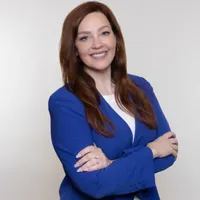
Maddy Niebauer
CEO, vChief
Beyond Burnout: Achieve Explosive Growth with Strategic Delegation and Fractional Leadership
Episode 359 · December 18, 2025 · 16:26
Beyond Burnout: Achieve Explosive Growth with Strategic Delegation and Fractional Leadership
Key moments
In Maddy's words
“The work still needs to get done. Who can we, who can we call in to do that?”
“Our goals are around growth and new industries and building into some new positions and things like that. My goals personally are really more specifically geared towards the intersection of what I am good at, what I like to do, and what will drive the business forward.”
“I have built this company into an 8-figure business 5 times on the Inc. 5000 list, and I've never really worked on average more than 25 hours a week.”
Transcript
Read the transcript2,998 words
IntroWelcome to the Built by People podcast, where we share the stories and insights of the world's top executive leaders. Join us as we dive deep into the minds of executives, uncovering their strategies, challenges, and triumphs in shaping today's workforce. Now, let's jump in and get started with our next guest.
HostWelcome to the Built By People Podcast. I'm joined today by Maddie Niebauer. Maddie, thanks for joining us today.
GuestThanks so much for having me. I'm excited to be here. Absolutely.
HostHey, as a starting point, I always like to talk about your career journey. You know, what were some unexpected turns or what ultimately led you to leadership?
GuestYeah, absolutely. Well, I think my beginning was maybe a little unexpected. I started in the Peace Corps in West Africa, building latrines and putting in water pumps. And then I came back to the Bay Area where I'm from, and I ran a tutoring center for a handful of years and went to business school and then was in strategy consulting for nonprofits. And then was a chief of staff at Teach for America. And this is, I think, where things get interesting. So, when I left that role was when I founded vChief, my current company. Even though I had gone to business school, Google it. I don't know that I ever sort of fancied myself an entrepreneur. I had lots of ideas, but I don't know that I was like ready to truly jump into the fray, but I had been a chief of staff at Teach for America for a number of years. And the woman who I supported left to start a new nonprofit and I had been helping her get it off the ground before she left. And she wasn't in a position to hire a full-time chief of staff, but I was ready to transition out of Teach for America. At first, she asked me to come on as a side gig, right? So she said, would you work for me 5 or 10 hours a week doing the same chief of staff type of things that you did. And I was excited to do that. And I was still at my full-time job for maybe 6 months while I supported her. And then I was transitioning out of Teach for America. And that's when it occurred to me that probably other people like her could use this part-time capacity in a chief of staff role. And so I launched VChief and I continued to support her as a client myself for about a year, but otherwise I basically became a matchmaker and I found great talent and I found clients. And put them together. And I think what's a little unexpected is, well, first of all, we were the first people in this sort of fractional part-time chief of staff space. There were other people doing it in other roles, like CFO is a pretty common one, but it was a pretty new idea. And also something that people at first, at the time, there were lots of questions because people were like, well, what, first of all, what's a chief of staff? And second of all, why would you do that virtually? Because it was before COVID So it wasn't like we were all doing this then. Right. So, there was a lot of explaining of those things, but, you know, we, we kicked off pretty quickly and, and found our first handful of clients and then grew really naturally and organically over the first few years. And then actually in the wake of COVID had a huge growth spike. I think a lot of companies were not ready to make full-time hires given the uncertainty and other things. And so, we were a great solution when they were like, The work still needs to get done. Who can we, who can we call in to do that? So that's a little bit about, about our journey and about my, my career and, and how I ended up, you know, starting my own company.
HostI love that. That's a, that's awesome. And I love talking to CEO and founders just about what got them to where they are today, what makes 'em tick. So along those same lines, tell me a little bit about your top priorities right now for your company.
GuestYeah, well, I, you know, I think there are top priorities for our company and there's top priorities for me. And I think it's really important to distinguish those two. And the reason I mentioned that is because that's a lot of what we do. So, as I mentioned, we, we provide part-time chiefs of staff. We actually now offer part-time lots of other things. So, COOs, CFOs, other things. But the chief of staff role in particular is geared towards helping leaders take things off their plates and focus where they can have the most impact. So, the goals goals for VChief as an organization and my goals as a leader are different, right? Our goals are around growth and new industries and building into some new positions and things like that. My goals personally are really more specifically geared towards the intersection of what I am good at, what I like to do, and what will drive the business forward. And so like that Venn diagram is pretty small in terms of the things that, you know, I want to be focusing on. And so for me right now, it's really around building brand awareness, getting into new industries. I spend a lot of my time on podcasts or doing networking, going to conferences. I'm very much the public face of the company. I have a co-CEO who manages all of our internal operations. And so one thing that I'm really proud of is that I have built this company into an 8-figure business 5 times on the Inc. 5000 list, and I've never really worked on average more than 25 hours a week. And I think what's unique about that is there's just this hustle culture out there where, you know, everybody feels like you have to work 40, 60, 80 hours a week, especially as an entrepreneur getting your business off the ground. But I think it's burning people out. It's having people not focus on the things that matter in life, which are, you know, the people in our lives and the experiences that we want to have. And, and so I'm sort of on a mission to help leaders take back their time and really stay focused where they can have the most impact. And so, I feel like I'm a pretty good example of doing that.
HostNo, absolutely you are. That's, that's amazing. Thank you. As you look about maybe some of these initiatives or, you know, priorities that you have within your organization for yourself, what's maybe one initiative that you've rolled out recently that you're really proud of? Yeah.
GuestThere's a couple of things that I'm really proud of. First is that I think we are really great at listening to our customers. And so we started with just chiefs of staff, but our clients kept coming to us for other things. And so we expanded to COOs and CFOs and other things. And one thing that they often said to us when we wrapped up an engagement where maybe we had been working with them 20 hours a week, they would say, you know what, I just need like a little tiny bit of my consultant to keep working with me, you know. Maybe 5 or 10 hours a month, which was smaller than any of our normal engagements. And so we created this sort of executive consulting role that just provided a little continuity to wrap, wind down a project and make sure that they had all their questions answered, or like we could jump in when there were any hiccups. So that's one thing I'm really proud of that's a little more recent. And then the other one actually started several years ago. I came out of the nonprofit sector and I feel really deeply about social impact and finding ways to give back to the community, and we launched a pro bono program. So over the years, we have supported anywhere between 2 and 4 organizations a year who would be otherwise too small to afford our services, but who are having really beautiful impact in the community. And we provide them with a chief of staff for 6 months to help them, you know, move their work forward. And that has been super rewarding. We've gotten a lot of great feedback from from those recipients, and I feel really proud.
HostThat's great. My next kind of line of questioning is around employee communication.
GuestYeah.
HostEspecially, I think you'll have a really unique perspective about this being a CEO, but also working and placing chiefs of staff within organizations. So employee communication is becoming harder across every organization. Yeah. What's one area where you're trying to improve engagement through better communication? Communication, and maybe how are you approaching making sure employees actually see, understand, and act on the information that's being sent out to them?
GuestYeah, I think this can be tricky for a lot of different types of organizations. It's definitely a little bit tricky for us because we are a completely virtual organization, and we've always been completely virtual. So we don't have an office. Everybody's everywhere else. So there's no like water cooler talk, if you will. And it's a little tricky for us because we have both a central team that is running the organization. So finance, talent, marketing, sales, etc. And then we have 400 in our talent pool, right? And there are a number of them who are staffed with clients right now and a number who aren't. And so depending on which audience you're looking at, like our central team or our placed consultants or our talent pool, we have different means of communication and different needs of communication with each of those groups. Right. And so I would say our best communication is within our small core central team. And I think we do an amazing job between using, you know, Slack and other tools, as well as, you know, regular calls and also, you know, annual retreats, because I do think important time, person, in-person time is really important. So I feel really good about how we're doing with that group. With the consultant talent pool, I would say it's a little bit harder. So we do have a Slack channel for them, but imagine if you're a consultant and you're working with a client, most of your energy is going to be communicating with the client, right? Than with all the other consultants who are working with other clients or with vChief Central, unless you need something from us, right? Or vice versa. And so we do have a Slack channel for that group, and we do have regular professional development and networking opportunities for that group to learn from one another and gain resources both from our central team and from each other. But it's hard, right? Like, I think unless people need something, they don't necessarily reach out to that group. So what I think we have seen is a lot of communication that is like, do you know a good CRM system? Or what do you think about X? Right? It's very like topic-based and it's based on a need that is in the moment as opposed to sort of a broader culture building. We do have, we actually have our, our annual sort of holiday State of the Union happy hour with that group tomorrow. So it'll be fun for me to see them and catch up with them and do things like that. But that's that's rare, right? And also, like, we want to respect their time, so we, we don't want to overdo it. In terms of, like, how do we make sure that people are digesting the information we give them, I think it depends if we need something from them, right? If we need something from them, there's usually a really, some sort of way of tracking that, whether that's, like, you need to fill out a survey or you need to complete something in one of our systems, and then we can track in the system who has seen and done it. If it's just more of an informational, like, oh, here's some information you might be interested in knowing. I don't think we have a great way of, of tracking that. And it's definitely harder with that bigger group than it is with our central team.
HostMakes sense. You mentioned a handful of tools, you know, that you use, one being Slack, right? What are some other tools or platforms that are most essential for your operations day to day?
GuestYeah, I think the biggest one for us is Zoho. So we use it both for applicant tracking. And for our CRM, and then we have built custom models in it or custom modules in it that help us do the matching. So there are like a client might come to us with a scope of work that requires like someone who's good at doing interviews and good at building a financial model and good doing X, Y, and Z, right? So we have this set of parameters that come from the client and then we have the skill sets of the consultants. And before it used to be a very manual process and now that is much more integrated and Zoho actually offers all sorts of other tools that we've investigated using some of them more than others, right? We've tried to put billing into there and had some, some challenges and complications. Right now we're still in QuickBooks. We definitely use a decent amount of AI. We have switched systems at various points. I think we're using Claude. Is it Claude? No, I think it's one of the other ones. Anyways, it's hard for me to keep track because I'm not in the weeds with the team, but I know we have used AI in pretty like cool and innovative ways. For example, like listening to our sales calls and not only writing down the notes, but also creating a whole scope of work based on samples we gave it and evaluating our salespeople and giving them feedback and whatever about what they could have done better, which I was like, wow, AI can do so many things. So, that's definitely something that is important to us and we're continually thinking about and looking at and working with our clients on too. Wonderful.
HostIf we sat down again in 12 months from now, what would you hope has changed most in your organization?
GuestYou know, I would love to just see a little bit more stability in the number of incoming clients. Right now, there is so much volatility in the overall economy, and I think that makes makes people feel hesitant sometimes, right? So the staffing industry has been down year over year since 2023, um, and, and continues to go down. And we have had some, like, wobbles in our growth too. And so, um, it's not that we're not bringing in clients. I mean, we had 20 new clients last month, I think, that— but, but most of the engagements are smaller, um, and it feels like we're working 10 times as hard for the leads, right? And so I would love to more stability in the overall economy, fewer questions about, you know, are there tariffs, are there not tariffs, are people going to be able to do the work they need to do? Like, we work with a lot of nonprofits and education organizations. A lot of them lost a ton of funding with all the changes to the federal government. So what it has created is an environment that feels really unstable, I think, to everyone. And I'm in a lot of entrepreneur groups, and I keep hearing this from everyone. Like, feels like so many industries are touched by that. And so I would hope that the overall economy gets to a place that feels more stable, because I think it would help us business-wise. And I would love to see us also— like, we're growing into a lot of industries now. So we're, we're doing a lot more in healthcare. I would love to see us continue to grow into new industries. I think that's, uh, that feel good. Oh, wow. And I would like, we do really, really, really well with employer retention and satisfaction and client satisfaction. So I would want all of those things to stay the same. To maintain.
HostYeah, that makes sense.
GuestYeah.
HostWell, great. Well, hey, thank you for your perspective today. Last question I have for you. If you could leave one piece of advice, you know, for our community, maybe something you wish you had known earlier in your career, what would it be?
GuestI would say let go of the hustle culture. Not everything is an emergency. Like spend time on what matters in life and do the work that's needed to get done, but also think about how you can delegate and automate and fractional talent, the sort of part-time consultants that we provide is a great way to do that, but there's lots of other ways to do it, right? And I would just say like growth does not have to come with burnout. I love that.
HostThat's great. Yeah. Well, Maddie, thanks so much for being part of the Built by People podcast today. Uh, it was a pleasure having you.
GuestGlad to, really glad to be here. Thanks so much.
More conversations like this