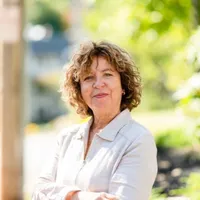
Episode 152 · April 8, 2025 · 11:27
Lucy Avsharyan
VP of Benefits, United Talent Agency
The Hidden Power of HR: Benefits That Build Loyalty and Transform Lives
Episode 152 · April 8, 2025 · 11:27
The Hidden Power of HR: Benefits That Build Loyalty and Transform Lives
Key moments
In Lucy's words
“I always knew I wanted to return to entertainment, so eventually I found my way to UTA, the talent agency, and 8 years later, it has been the most challenging and rewarding role of my career.”
“I framed the family support benefits as a strategic investment and not just an expense.”
“I've had employees, like both men and women, tell me they've stayed at UTA because they want to start a family one day and don't want to miss out on our benefits.”
Transcript
Read the transcript1,763 words
HostWelcome to the Built by People podcast, where we share the stories and insights of the world's top HR leaders. Join us as we dive deep into the minds of HR executives, uncovering their strategies, challenges, and triumphs in shaping today's workforce. I'm excited to welcome Lucy to the Built by People podcast. Lucy, thank you so much for joining us. And as a starting question, I always love to ask if you could share a little bit more about your career journey.
GuestYeah, absolutely. Hello, and thanks for having me. I'm happy to be here. So when I was in college, I researched career paths and decided I wanted to pursue HR. So I'm actually one of the unicorns with a business degree in HR. And while I was in college, I did an HR internship at NBCUniversal, and I fell in love with both HR and the entertainment industry. So once I graduated, I landed my first HR job, and within 6 months, I was asked to take over the benefits subdivision. While the person in charge went on maternity leave. So at just 22 years old, I found myself leading benefits for a company of 800 employees. And that was the start of my journey in benefits, and I've never looked back. Over the years though, I've worked in different industries, and I was always the youngest in the company or in the HR department. So I was soaking in all the knowledge and experience, but I Always knew I wanted to return to entertainment, so eventually I found my way to UTA, the talent agency, and 8 years later, it has been the most challenging and rewarding role of my career.
HostLucy, you played a pivotal role in implementing a wide range of family support benefits at UTA. Can you discuss how you were able to secure support from the C-suite to bring these initiatives to life?
GuestMm-hmm. Securing executive buy-in required a mix of storytelling, data, and strategic relationship building. So first I would study the landscape and determine the most persuasive angle for my pitch. Sometimes I'd run my proposal by a C-suite member I knew would be supportive to strengthen my argument before presenting it formally. And I always incorporated industry benchmarks. I showcased where UTA stood compared to the other top talent agencies. But also where we wanted to lead in the space, such as being the talent agency with the most supportive benefits for those wanting families. And most importantly, I framed the family support benefits as a strategic investment and not just an expense. So for example, one of our key goals was attracting and retaining top female talent. So I presented the data showing how many women left the company after maternity leave. Or once they reach the midpoint of their career, and they use that to build a case for a stronger support system. You explain how the benefit ties into the broader business goals.
HostLucy, how has the landscape of family support benefits evolved in the entertainment industry over your 8-year tenure, and what impact have you seen on workplace culture?
GuestThe industry, and really just the corporate world as a whole, has shifted from viewing family benefits as perks to really becoming essential. So when I joined UTA in 2017, fertility benefits and extended paid parental leave were not common in entertainment. And today we see a broader range of offerings, including adoption assistance, caregiver support, concierge telemedicine, menopause support, elder care benefits. There's so many things now. That are just essential to what you offer as a company. And these changes have a tangible impact. So you're not only attracting top talent, but you're also building loyalty. So I've had employees, like both men and women, tell me they've stayed at UTA because they want to start a family one day and don't want to miss out on our benefits. I've had employees tell me they had given up trying to conceive, but because we offered the funds and support, they are going to try again.
HostLucy, can you share some specific examples of family support programs you've implemented, including IVF coverage that have made a meaningful difference?
GuestMm-hmm. One of the most impactful programs I implemented was offering $30,000 in reimbursement for fertility treatments. So that includes IVF, egg freezing, even surrogacy and adoption. And we also introduced a 16-week gender-neutral parental leave policy. And partnered with Maven, a telehealth platform that gives access to doulas, midwives, doctors. It has return-to-work coaches. Uh, I also implemented Headspace Care for the entire family, which includes free therapy. I added 3 months of cotterie wipes and diapers for new parents. Also added backup childcare. But beyond direct benefits, we've also made cultural shifts too. For example, I worked with two of my colleagues to pitch a week off every summer, allowing employees to plan trips with their families without worrying about returning to an overflowing inbox. And these programs have had a real impact. Employees have shared how it's helped them start families, reduce stress, feel like they can book a trip in advance, and just feel truly supported at work.
HostFrom your experience transitioning between companies, what advice would you give to HR professionals looking to drive change in family benefits at their organization?
GuestStart by listening. Employee feedback is invaluable in tailoring benefits to your workforce. Then build a strong business case using data that connects family benefits to retention, productivity, and again, the broader company goals. So you have to be strategic about how you introduce change. I wouldn't even start with a formal policy. I'd create a guide. Which would evolve into a practice, and then over time become a company-backed benefit. It's also important to understand what your company wants to be known for, even if you can't translate it into ROI immediately. And you have to explain that, you have to pitch that. And to create change, you have to focus on integrating those family benefits into the company's identity. So they're not just policies on paper, but truly a part of what you're doing to support your people. And an example of that is, you know, when an employee goes on leave, we provide managers with a simple one-pager outlining, hey, best practices, including how to offer support, what to say, what not to say. It's like these small actions that help build a culture that prioritizes employees and their families and equips managers to be thoughtful and supportive leaders, because they can have the intent, perhaps not know how to execute it.
HostLucy, the partnership with Foster More and your invitation to the White House highlight your commitment to fostering awareness. Can you elaborate on the significance of that partnership and its impact?
GuestOur partnership with Foster More has been crucial in raising awareness about foster care and adoption, really, in entertainment. But I want the focus to be more on the foster care side. And even if— And knowing I've helped one child, we've helped one child find a foster home, that's meaningful and enough for me. But beyond that, we're encouraging the industry to include foster care narratives in mainstream media. And we're educating people on ways to support the foster community that goes beyond becoming foster parents themselves, which is something I learned throughout this process myself. And being invited to the White House It just, for me, reinforced the importance of corporate involvement in social impact initiatives. And me specifically, the entertainment industry has immense influence, and I'm proud to be part of the effort to use that influence for good.
HostLucy, as someone who has personally experienced the need for family support benefits, how has that influenced your approach to designing and implementing these programs?
GuestYes, having firsthand experience with these challenges makes me constantly evaluate and improve our programs. Programs. For example, when we first introduced the fertility reimbursement, employees had to wait a year to incur expenses, which is pretty normal for benefit plans that are going to have a really high cost. I personally waited that year before continuing my own fertility journey, but after some time I realized how limiting that policy was because so much can change in a year when it comes to a woman's ability to conceive. So I went back to leadership and I proposed a change. We keep the 1-year waiting period for submitting expenses, but we allow the employees to incur the costs immediately. This way, no one had to delay their family plans for financial reasons. I designed the policies with empathy, ensuring they are not just available, but truly accessible. So I also make the reimbursement process very simple. Trying to conceive is an emotional, financial, and physical rollercoaster. It's what I always say to everyone. So I always approach these conversations with care, and I share my experience right away to help them feel empowered to open up if they need that support. And I now have 5-year-old twins, and nothing compares to being their mom.
HostLucy, what parting advice would you like to share with our community?
GuestI think people underestimate that, that HR professionals do really have the power to change lives, but you have to be willing to do the work to make that impact. I think you have to be curious, ask all the questions, anticipate what the C-suite will ask, and be prepared with data and a strong case, and reflect on what you're doing and what you can be doing more of. Be real, look in the mirror, and truly talk to what you can do more. And think beyond compliance and check-the-box solutions that people have a perception of HR, but focus on building programs that genuinely support people at every stage of their lives. Love what you do, give it your best. So much of it is perspective. And I would say, don't be afraid to push for change. Even if your company is facing financial constraints, get creative. There are so many ways to enhance benefits that don't actually require a large budget. And it is my job and your job in HR to advocate for your employees Even if it means asking for something that you may initially be turned down for, because ultimately when we invest in the people, everybody wins.
HostLucy, thank you so much for joining us on the Built by People podcast. It was a pleasure to have you involved.
GuestThank you so much. Thank you for having me.
More conversations like this