Episode 74 · January 31, 2025 · 12:59
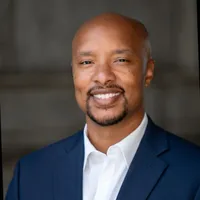
Laura Bartus
Head of Learning for Humana's pharmacy division, and volunteer chief learning officer for the Human Health Project, Humana
Future of L&D: Prove Your Impact, Empower Humans in an AI-Driven World
Episode 74 · January 31, 2025 · 12:59
Future of L&D: Prove Your Impact, Empower Humans in an AI-Driven World
Key moments
In Laura's words
“as leaders in an organization, when you're going through change, you have to manage your own response to that change yourself before you can help anybody.”
“Anything you, you want your team to do, you have to model yourself.”
“The most important thing is, are we building things that actually make things better for the business? Are we improving metrics? Are we fixing problems?”
Transcript
Read the transcript2,029 words
HostWelcome to the Built by People podcast, where we share the stories and insights of the world's top HR leaders. Join us as we dive deep into the minds of HR executives, uncovering their strategies, challenges, and triumphs in shaping today's workforce. Laura, thank you so much for joining us. And as a starting question, I always love to ask if you can share a little bit more about your career journey.
GuestHey, Dave, thanks for having me. I'm really excited to be here. I'm Laura Bardes. I'm the head of learning for Humana's pharmacy division, and I am the volunteer chief learning officer for the Human Health Project, which gives a lot of great patient education to the people that need it most. So I started my career as a high school English teacher, of all things. So teachers and former teachers, I feel your pain. Thank you for doing what you do. I loved it. I loved my students and I loved every second with them. And it was a really tough place to start, but I think it was a really beautiful place to start that taught me the value of perseverance. So I was teaching for a couple years and it was great. And when I moved, there was, there was no way to get another teaching job. There was reciprocity between states. So I went into corporate learning and development. And that little accident almost 20 years ago was the beginning of a really lovely and beautiful long career in corporate L&D. So I've done jobs all across my organization in different places, in different divisions. I've done pretty much every single job in learning except for data analyst, which is not my forte, but now I hire people with that skillset. And I am now running, um, a really great and large L&D team that does facilitation, curriculum development, design, a lot of metrics and data visualization.
HostLaura, you recently spoke at the Learning 2024 conference. Could you share some key insights about adaptive leadership and helping teams navigate change?
GuestSure. That was a topic that I love talking about. Uh, I will be talking about it again to another organization pretty soon. Really, a lot of the takeaways that I shared with people were, as leaders in an organization, when you're going through change, you have to manage your own response to that change yourself before you can help anybody. So a lot of us have difficulty with big organizational changes, and we really have to manage how we are feeling and thinking about that change before we can actually help anyone else respond to the change. So one of my big takeaways was, you know, manage your own emotions. Let yourself go through that process of grieving the future you thought you had before the change so that you can help other people. When you are leading through change, you really have to model agility and an adaptive mindset. That's really what adaptive leadership is about. Being flexible enough in your own way of thinking, in your own way of operating, that you can let your team do the same. Anything you, you want your team to do, you have to model yourself. So I talked a lot about modeling agility. I talked a lot about being a lifelong learner and showing people it's, it's never too late. You're never too old to learn a new skill or learn a new way of thinking. Some of us feel like once we're in leadership, hey, we're done, we've arrived. And I think the lesson for all of us is that in order for us to, first of all, stay relevant, and then second of all, adequately lead our team through terrifying pace of changes that are going on right now, We actually have to be the ones to grow and change ourselves.
HostLaura, as someone deeply involved in learning and development, how do you see the relationship between L&D and business strategy evolving?
GuestWell, we can no longer do the thing that we did for a long time, which is just build things and release them and hope they do well and track whether people have completed them. Really what my own organization is trying to do is be more directly embedded in the business. That's a long journey. You have to build a really good partnership with your clients, the people that you're working with. The most important thing is, are we building things that actually make things better for the business? Are we improving metrics? Are we fixing problems? So, a lot of organizations have great metrics on time to completion or people's valuation scores, but are we actually impacting things that are going wrong for the business? If we're not, I'd say we need to change things pretty quickly because that's a dangerous spot to be in. So, I really try and, and push my team. Man, my team is incredible at this. They want to fix problems for the business. I think most learning professionals do, but getting to that point where we have enough data to even know what is the problem and are our learning solutions fixing it, that's a long road that many people have not taken. And that's the journey my team is on right now.
HostLaura, how are you leveraging data to enhance learning and development initiatives at Humana?
GuestBut really what we're trying to do is show the business, here's where things are now and here's where we see problems popping up. So we, one of, well, my, one of my teams just is incredible at data. So we built a data warehouse where we collect every single source of data that we possibly could find, you know, maybe quality or attrition, lots of HR kind of metrics. Or it's phone call scores or it's process adherence. We built a data warehouse so that we could find all those things. We don't have to rely on getting a report once a month, asking for data. It's just all the data flows into the data warehouse. We pull it out and put it on a Power BI dashboard, not one that's like a PowerPoint slide or something that we have to manually update. It needs to be something that is consistently updating, that's dynamic all the time. So the business can see from moment to moment, here's what's happening, here's where we think the trouble spots are. Eventually we're going to get to the point where we can say, and here's where we are going if we don't fix things. We're still in that part of the journey, but I'd say we're about two-thirds of the way there now, uh, with one of our dashboards, and we'll have more coming in the next couple months.
HostWhat are some approaches you're taking to talent development and how do you measure their effectiveness?
GuestWell, so as an organization, we are on the journey to a new leadership framework and identifying, you know, what are those competencies that we want people to build. I would say for any organization, not just my organization, we really have to focus on reskilling our talent because the things that got us to be large organizations, the things that helped us grow our companies are not going to be the things that continue to help us in the future. You know, with the advent of more AI-enabled tools, we have less manual work to do, right? We have more critical thinking that we need to do. We have more analysis that we need to do. So we are trying to focus on building skills that enable associates to succeed in an AI-powered world. Probably you're going to hear a lot from similar organizations that they're on kind of similar journeys. Really what we want to do is enable people to make data-driven decisions. So help people understand data. That's a real skill set. That's one that many of us did not have. You know, we want to build agility in people, mental agility, the ability to be flexible and think on your feet. And I think the real interesting thing in all of this is that we also still need to develop people who have empathy. You know, everything could be considered go, go, go, you know, data, data, data. But in the end, we really are trying to build better employees who are better humans, right? So we're trying to also incorporate elements of what is it that people need to thrive and feel like they're doing their best work and have well-being at work. So trying to build up empathy at the same time, I think, is the real, the real area that we still have to crack at work.
HostLaura, in your experience, what makes a successful learning and development program stand out in today's rapidly changing workplace?
GuestIt's kind of what I talked about earlier with fixing problems for the business. What we really want to do, what we really want to know, rather, is are our businesses more successful because of what we built? And if they're not more successful because of what we build, we actually need to change. We need to change our approach. We need to change what we're building. We need to change how we're tracking it. Because if we don't track it and we don't communicate it, did it actually happen? So, you know, in order to differentiate your learning problems, I'd probably say, what are some metrics that are in trouble? And then go back and look at, okay, how can we improve those metrics? Most of us ask people, what are your trouble spots? But then we don't actually go back and think about how can a learning intervention make a difference? That's what I would definitely, definitely tell people to start with.
HostLaura, what parting advice would you like to share with our community?
GuestI would say don't just look at, you know, where you are now and what problems you're fixing now, but for anybody who's thinking about where do I go next, you know, what do I do next? Start thinking about what is it that you wouldn't just love to do, but what would, what's it that you would be proud of doing with your life? You know, work toward that goal. I always tell people, there's a lot of people that come to me for career advice and they're thinking like, how do I get that leadership role? How do I move up? How do I prove that I'm the one for this job? And really, I tell people, don't take that leadership job unless you know that there will still be elements of things that you find joy in, in that next role. A lot of people get to that leadership role and they realize, oh, the thing I really loved doing, I don't get to do that anymore. Figure out what actually brings you joy and what you'd be really proud of doing with your life, and that's where you need to start looking for your next role. I made the mistake like a decade and a half ago of doing project management classes and doing the PMP, and I discovered I kind of hated project management. I really hated it. And I am so glad I didn't make that my career in the end because I would've been, I mean, yeah, I would've made more money initially, but I would not have been happy. And I think in order to truly be happy in our careers, it's really important that we think through what is it that would actually fill our professional cup in our careers. So figure out what it is you actually love doing, and then look for a next role maybe that would help you still have elements of joy in your life if you took it.
HostLaura, thank you so much for joining us on the Built by People podcast. It was a pleasure having you involved.
GuestWell, thanks so much, Dave. Have an awesome day.
More conversations like this