Episode 107 · February 27, 2025 · 15:45
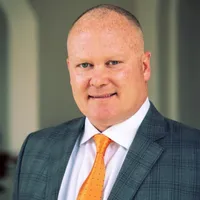
Katie Manning
Global Total Rewards Team Lead, RGP
Transforming HR: Why Emotional Intelligence is Your Blueprint for Engagement
Episode 107 · February 27, 2025 · 15:45
Transforming HR: Why Emotional Intelligence is Your Blueprint for Engagement
Key moments
In Katie's words
“As human beings, our emotions are just who we are and a fundamental need to be heard, seen, understood that applies whether we're at work or we're outside of work. We should want to and need to bring our authentic selves to work.”
“I'm a big proponent of healthy risk-taking. We need to be given space to take healthy risks to try new things, but it's likely that there's going to be a, some kind of failure on some level, and we need to know that the organization is there to catch us.”
“The top reason people leave jobs isn't because of compensation and benefits. It's usually because of poor leadership or a lacking culture.”
Transcript
Read the transcript2,943 words
HostWelcome to the Built by People podcast, where we share the stories and insights of the world's top HR leaders. Join us as we dive deep into the minds of HR executives, uncovering their strategies, challenges, and triumphs in shaping today's workforce. I'm excited to welcome Katie to the Built By People podcast. Katie, thank you so much for joining us. And as a starting question, I always love to ask if you could share a little bit more about your career journey.
GuestSure. Glad to be here. Thanks for asking me. I currently lead the global total rewards team here at RGP, which for our organization covers compensation and benefits programs on a global scale, so responsible for those on a global basis. My background is more what I refer to as a compensation lifer. I fell into it when I came out of college with an HR major and a minor in accounting. Started out in the consulting world for about 6 years or so, moved into corporate to see a little bit more about what happens after the strategy and the recommendations from there. And I've had a lot of opportunity to be an external consultant and an internal consultant on the corporate support side, which just overall helps me relate better to stakeholders and develop better programs. So it's a journey. I, I like to say yes to new opportunities just because it's helped me collect quite a few things along the way. Be open to what can I do next or what's a new project I haven't worked on before and just really being open to, um, new opportunities in ways.
HostThanks for that great intro, Katie. A lot of our conversation today is gonna center around emotional intelligence, and my first question around that is, why is emotional intelligence critical in shaping the full employee experience, and how can leaders actively cultivate it?
GuestIt's a great question. I'm not an emotional intelligence research expert by any means, but I have been part of some great leadership programs along the way that emphasize how it applies EI and EQ and impact on successful organizations. And so, I've loved the concept ever since. It's something that I do focus on. But first and foremost, I think it's important because as human beings, our emotions are just who we are and a fundamental need to be heard, seen, understood that applies whether we're at work or we're outside of work. We should want to and need to bring our authentic selves to work. For me, I'm a what-you-see-is-what-you-get kind of person. I try to be myself and give others that space as well. But I believe that leaders should create that environment that provides the space for a level of vulnerability and open communication. I think we do that through being transparent, holding regular one-on-ones with our teams, being vulnerable with our teams and colleagues, noting that there is a huge difference that sometimes gets lost of being vulnerable with your team versus dumping your problems on them or other corporate gossip in that way. But relating to them and letting them know, hey, this is a tough time. I'm feeling it too. Let's figure out how we get through it together. What can we do to influence our path forward? Goes a long way in my experience. Everybody knows they're not alone. They know it's okay to be overwhelmed or even frustrated, but that we have to move through it and to the other side. Sometimes it's easy, sometimes it's not, depending on the situation and if you're in a period of massive transformation, as many organizations are today, whether it's strategy changes, merger and acquisition. It can also be an extended period of time of some of that discomfort or frustration, and that's okay as long as we don't stay there forever. I personally learned a lot from leaders early in my career on both sides of that coin. Some of them did it really well, some of them didn't. But silver lining for me, even on the latter one, is that I learned a lot about the type of leader I didn't want to be. I remember how some of those past leaders made me feel, whether it was good or bad, and I use that to shape how I relate to my teams and colleagues. I'm a work in progress like anyone else. I don't always get it right, but I try, I put in the effort, and, you know, some days it's really tough, to be frank about that. But I think regardless, as leaders and as organizations, we need to demonstrate those behaviors for our teams to the best of our ability. We need to take accountability for ourselves, our actions, and we need to hold them accountable for theirs, which is probably one of the harder parts. I think some people are much better at holding themselves accountable than they are others. But as organizations, I think we need to focus and center our leadership development around that core as an ongoing exercise, not just a point in time. But my biggest piece of advice there for leaders is to have fun. There's usually something to laugh about, even in the most stressful of times. And, and I believe laughter builds relationships, and on the teams I'm on, I try to bring the laughter. To most situations so that it can just lighten the load a little bit and make people feel seen and realize that work doesn't always have to be so heavy.
HostKatie, people with strong emotional intelligence tend to have an easier time establishing genuine connection and relationships with their peers. How does relationship building enhance the design and implementation of strategic HR programs?
GuestMy experience, the best outcomes have relationships centered in them. And what I mean by that is if I haven't had meaningful conversations to build trust with my stakeholders or other employees in that case, or shown that I can be relied on to deliver what I promise, I don't think I'm really addressing their issues holistically. I couldn't be. But if we go into design sessions or discussions knowing that as a top priority, most leaders are advocating for their teams and the success of the organization. I think we come in with a more open mind for collaboration and solutioning. We're a team that should be all here for the same purpose, and we need to get to work with that in mind. But from a program and design standpoint specifically, understanding the business priorities for leaders in different functions throughout the organization just gives us all a better understanding of how we might need to customize programs, whether that's how we benchmark roles, design our incentive plans, design benefit offerings, career tracks, learning development. I could go on and on about those, but The best way to identify those priorities is by talking to those leaders and hear it directly from them. And the stronger the relationship, the more give and take in that conversation. And as an extension of that, we should also be asking questions of different groups of people throughout the organization, different levels, different teams, different geographies, depending on the topic. Not only shows that we're interested in their opinions and their output, but more importantly, it's probably gonna give us an insight into something we hadn't thought of through our lens that we see every day. And I love focus groups for this. So crowdsourcing information, looking for commonality. Participants play off each other in those conversations too. And, and often we may come out with a list of things that weren't really the topic at hand, but they're really important to give to. But at the end of the day, the question is how do we take that feedback from cross-sections to arrive at solutions that drive personal and business success? So it's really a balance and understanding not every piece of feedback can and should be used and designed, but it should be heard. And we need to think about how we might be able to incorporate that.
HostKatie, what are some of the most effective ways to embed emotional intelligence into an organization's culture?
GuestFirst, I firmly believe that some people are naturally wired for it and some people are not, and they have to really work at that. And both are valid, both are okay, but knowing that as a grounding principle is important. And there's a continuum of the emotional intelligence, and we do need to meet people where they are. When I hear about emotional intelligence a lot, I hear more about empathy than anything else, and that's obviously a very big part of it, but it's also about understanding people's emotions, our own self-awareness, regulating our response to situations, accepting and giving constructive feedback, acknowledging and learning from mistakes, not dwelling on the past, all of those things. I mean, it's a really all-encompassing theory. Part of that, and I think we put that in action, is, you know, I'm a big proponent of healthy risk-taking. We need to be given space to take healthy risks to try new things, but it's likely that there's going to be a, some kind of failure on some level, and we need to know that the organization is there to catch us. And most of the time, a program or solution isn't 100% right fresh out of the box. There's usually not a 100% right ever, but we need to be able to come back and say, okay, that didn't work how we thought it would. What can we do to make it better? Open acknowledgement of our missteps, commitment to continuous improvement are key, and our leaders, our reaction to those failures or those mistakes and how we react to the team is part of that emotional intelligence component. I think we need to celebrate successes, no matter how small. There's so much good that happens in an organization on a daily basis. We need to take that time to recognize people for their contributions. It can be as simple as a Teams message, an email, a shout-out in a standing meeting. I once worked for an organization that ended every meeting with appreciations, just day-to-day things where someone went out of their way to support you or help you with a project outside their normal scope. And I miss that some days, and it's probably something we need to incorporate here, or I need to incorporate into my own team meetings. Practicing and giving and feedback. It's cheesy on some level to say it, but feedback really is a gift. But that could also mean taking a breath and saying, okay, I heard that, but I need to process it. Can we connect tomorrow? And then setting up that follow-up meeting so it doesn't get lost in the shuffle and it's something that we pretend didn't happen on one side of the conversation. Having DEI and employee resource groups. I've been fortunate to be a founder or an advisory board member to my current organization and my prior organization for those. And it's really a great way to put yourself in someone else's shoes, practice complex conversations, and just understand that you can be who you need to be at work. My favorite piece though is probably Predictive Index and other similar assessments. I've pretty much taken all of them after my career here in, in HR. My favorite thing we do here at NRGp is everyone takes the PI assessment as part of the hiring process, and then when people come on board, we have a facilitator that will hold a session to talk about their PI results as a team and how that influences how we work together. And if we know some of that information upfront, we can all have a better understanding of each other, adjust our styles. Leverage those towering strengths for the benefit of the team and the organization. And most of the times those groups are fun too, because there really is just some very obvious behavior that they highlight and, and we all have to laugh and acknowledge about that. But those are some ways that, you know, we can embed it. And, and it's a daily exercise. It's not something that you can do once and say, okay, we're, we're all now emotionally intelligent and, you know, self-actualized human beings, right? It takes time.
HostKatie, from your experience, how does culture influence employee engagement, retention, and overall organizational success?
GuestIt's a great question, and I think there's a lot of varied opinions on this, but for me, it's the fabric of who you are as an organization. And what I mean by that is, I also, I worked somewhere where our values were on the walls in conference rooms. They were in our retail outlets. Any chance we got, the values were displayed. When we would design programs or review changes or communications, we'd ask ourselves if it aligned with our values. And if we found that it didn't, we would find solutions to honor our values and support our team members. Culture's also not owned by one person or group. It's a shared responsibility among the entire team. And I think we need to model that behavior from the top down and the bottom up in our day-to-day. And if our teams align to the values, they're living a culture that's in support of those values every day, employees are gonna feel engaged, they're gonna feel part of something bigger. Bigger, and it doesn't take the place, obviously, of competitive compensation and benefit programs, but it is often the foundation of why people stay. And that is, that's what gets you through those tough times. When we're all struggling or we've got some challenges that are presented to us, culture should be our grounding component that keeps us together. The top reason people leave jobs isn't because of compensation and benefits. It's usually because of poor leadership or a lacking culture. The other two are very fast follows. Given my function, I wanna acknowledge that, but the foundation needs to be solid. At the end of the day, it's pretty easy if you have the budget to fix compensation or benefit offerings, but it, it's harder to rebuild trust or restore culture, and it needs constant care on a daily basis.
HostKatie, can you share an example of how emotional intelligence or strong relationships have driven a successful cultural shift within your organization?
GuestYeah, I don't have one specific example. I wanted to go a little bit higher level and it applies across the board. I've usually observed this in M&A situations, and I've been fortunate or unfortunate, depending on your viewpoint of that, of going through several of those through my career as a consultant and as somebody who's impacted by an M&A. And in those cases, you're bringing together different cultures. Inevitably, there's going to be a clash somewhere along the way. Right? And in those situations, having conversations to understand the origin of the values or the culture allows that new combined organization to highlight which ones are the most important to carry forward. And so, if we come into it with a, it's this way or no way, without trying to understand or acknowledging that in M&A situations, there's usually a perceived loss of control or perceived loss of identity, we're set up for failure and constant negative conflict in the future. In most cases, those M&A teams have learned a lot about each other in the due diligence and the early integration days. And I, I found that those relationships are crucial for partnering since integration is a longer-term iterative process. You need champions for that, and you need people to say, hey, I've met a lot of people on these two teams. They're good people. We're gonna work together. We're gonna figure this out. And if we have those strong relationships and we understand how others may be feeling on either side of that equation, we have a better chance of coming out the other side of conflict with those relationships intact and probably even stronger.
HostKatie, what parting advice would you like to share with our community?
GuestI'm going to put on my total rewards hat for that one, probably a little bit more than some of the other topics here. But total rewards is right now, I would say, and always, to be fair, in a constant state of transformation. If you're doing it right, you're never really done. Here at RGP, we have 5 generations of employees, and they all have different needs and different wants. There's a core that's the same and just human nature, but we're definitely not a one-size-fits-all scenario, and post-COVID world has further complicated that effort. My advice is to listen to your people, understand what is important to them, conduct surveys, hold town hall meetings, be present in situations to build connections and relationships, understand the organizational strategy and how your programs support that strategy. There is a connection and there is a link. And we need to make sure that we, we have a strong foundation for that, but we need to use all that information to make meaningful programmatic changes to enable personal business success.
HostKatie, thank you so much for joining us on the Built by People podcast. It was a pleasure to have you involved.
GuestThanks. It was a pleasure to be here.
More conversations like this