Episode 314 · August 29, 2025 · 15:18
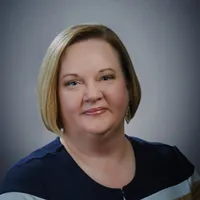
Erin McAuley
Chief People Officer, Springline Advisory
Scale with Soul: Why Culture Is Your Ultimate M&A Differentiator
Episode 314 · August 29, 2025 · 15:18
Scale with Soul: Why Culture Is Your Ultimate M&A Differentiator
Key moments
In Erin's words
“My career journey could really be summed up in one word. And that's transformation.”
“We're not selling coffee cups, we're not selling real estate, we're not selling property of any kind. We're selling business advisors that understand your business, see it to us. And so when we are doing, when we're looking for firms to partner with, to come on and join us as founding firms, we're looking for folks that are really solid culture match that want to scale with us.”
“So we've actually crystallized around the term a big small firm because we want the big in terms of what we can offer for learning and development and capabilities, but we want small in terms of if somebody knows that they need to go pick their son up from a soccer match, or somebody knows you have a wedding coming up, right? Or somebody knows that you maybe have a challenging personal issue, or you want to develop in this way, that there's still a very, very human element. To how we run our firms.”
Transcript
Read the transcript2,315 words
IntroWelcome to the Built by People podcast, where we share the stories and insights of the world's top HR leaders. Join us as we dive deep into the minds of HR executives, uncovering their strategies, challenges, and triumphs in shaping today's workforce.
HostI'm excited to welcome Erin to the Built By People Podcast. Erin, thank you so much for joining us today. And as a starting question, I always love to ask if you could share a little bit more about your career journey.
GuestAbsolutely. Well, my career journey could really be summed up in one word. And that's transformation. It is something that I've been passionate about from the beginning. 30 years ago now, I quite literally saw a sign back at university for organizational leadership. At the time, 30 years ago, it was a bit wild and crazy that this would be an undergraduate degree. It was obvious to me from the moment I had my, my very first class that this is what I would be up to in life. The interesting thing is I didn't actually start in HR. So, even though I knew that I wanted to work with organizations and teams and leaders, I started more on the strategy side and the transformation and change management side required me to learn the business really quickly. When you suddenly sit in sales or you sit in manufacturing or you sit in engineering, you need to learn the business quite quickly, whether it's tech or financial services, or in now my case, accounting and advisory. And I think that, that suited me well, right? I had an opportunity to work at companies like Countrywide Home Loans before they were bought by Bank of America and do a number of projects where I saved a half-day turn time for them, which was estimated about $45 million savings as their VP of continuous improvement. An opportunity to work at Cisco, Fortune 50 company, and built their change center of excellence, running a multi-billion dollar change portfolio that typically change has a 30% success rate, and we were able to get it to a 60% ROI realization, which was amazing. I was able to go to eBay, right, where they were divorcing from PayPal and needed somebody to come in and help them reimagine Who are we now? What is our culture? How do we lead? How do we look at performance? And so I had an opportunity to really partner with the CEO and the whole HR team around how we get after that. And then of course, I started my own practice doing fractional CHRO work, which was amazing to get an opportunity to see not only across different industries, but different sizes and maturities of companies. So anything from maybe 100 people or a Series A company all the way to more mature. And then that really brought me to my Springline adventure, which, as I heard about it from the first time from Tim, our CEO, right, it's hypergrowth, both organic and inorganic. It's in the accounting and advisory space. And to me, the big headline for me was not only the hypergrowth and how they were looking to transform the accounting and advisory space, but it was the how, right? They were really looking to what we've now crystallized into our credo, scale with soul, looking at how do we bring in pioneers and leaders to help us co-create the future as opposed to maybe other times, other types of, you know, acquisition approaches that either do you defer integration completely, or maybe, as my CEO would say, are that welcome to the Borg, where we already have everything all sorted and we're just plugging you in, right? Or something a little different, which was amazing to me.
HostEric, can you share a specific example of a cultural challenge you encountered during a recent acquisition and talk about what made it particularly difficult and why it was so critical to address?
GuestYeah, I think one of the biggest cultural challenges is the fear and uncertainty of private equity, right? And so there's definitely horror stories around the turn and burn kind of private equity where you really kind of, you know, you, you're buying just intellectual property and maybe a couple people and the rest is really, you know, they're looking at like a near-term like turnover. And so we hear that from folks, right? It's, it's the concern of, hey, are you really having me join as part of a co-creator, part of building something special, or is this just to build out, you know, your book of business and hit a revenue target, right? And so there's concerns there, rightfully so, because Not all PE is created equal, I can tell you that. Right. But I think when it comes from vision and values that are really aligned, it can be a force for good. And so to us, for Springline, culture is the key differentiator. We are quite literally a people business, right? We're not selling coffee cups, we're not selling real estate, we're not selling property of any kind. We're selling business advisors that understand your business, see it to us. And so when we are doing, when we're looking for firms to partner with, to come on and join us as founding firms, we're looking for folks that are really solid culture match that want to scale with us. But you need to really work with folks to understand and show them, right? Show them with things like, you know, an equity program that goes beyond the partner level. Show them with, co-creating our Grove values together. Show them by having a very transparent style of all team meetings, right? These are all things where we keep demonstrating day to day that this is a little different than maybe, you know, the scary headlines that you read.
HostEric, can you walk us through the process you and your team use to co-create culture with your founding firms? What steps did you take and what obstacles did you have to overcome along the way?
GuestYeah, so the way that we did it was we started with a culture assessment of each of our founding firms, and we asked people questions around what were their personal values, what were the values that they saw in their firm today, and what were their desired values that they would want to see in the future. And then we asked them, what's working well about your culture? What maybe isn't? And what does it mean to you to scale with soul? Like, what would this look like on a very personal level? And so what that gave us was some really rich data. And actually what I was really surprised and pleased about was that we were very aligned as humans. And what I mean by that was very aligned by what our personal values were. Around things like growth and development and a people-first philosophy and really caring about our clients and wanting to do good in the community. And so many of these anchors then became what we created into our GROW values. So we took the content, then created it together and had different leaders from the firm at varying different levels help us create this into a 4-letter acronym, which is GROW. So that stands for grounded, really being grounded in our history, our integrity, the practice of accounting, reimagining, so constantly challenging ourselves to reimagine how could we grow this, how could we reinvent this, ownership, really taking that ownership soup to nuts of being all in, to be able to deliver something in a very different way and wholehearted, really getting after that deep caring for a person as a human, right? Because that's what we saw from folks in a lot of the survey was, hey, I love the vision of this, but I don't want to lose this small firm feel. So we've actually crystallized around the term a big small firm because we want the big in terms of what we can offer for learning and development and capabilities, but we want small in terms of if somebody knows that they need to go pick their son up from a soccer match, or somebody knows you have a wedding coming up, right? Or somebody knows that you maybe have a challenging personal issue, or you want to develop in this way, that there's still a very, very human element. To how we run our firms. And so this big-small is what we've really landed on. And what that led us to is then create a blueprint for, as we're now assessing future firms to come in and join us, how does this show up in our criteria of how we decide who joins and who doesn't?
HostErin, how did you leverage data and analytics to assess cultural fit during due diligence? And can you describe a time when the data revealed something unexpected that changed your approach?
GuestYeah. Absolutely. So we use this blueprint that we created around the GROW methodology and the values. So our gift to firms that are in the due diligence process with us is that they get to have a complimentary culture survey that they can use with their employees. None of it says Springline on it. It's quite literally theirs to use. They get all the data from it, and then they get to work with a culture coach to really go through the data and make a plan around how, how they translate that. On our end, what we get is data that says, hey, here's the innate culture of this firm, and here's how it compares to Springline's culture. And that allows us to be able to look to say, okay, is this really going to be a culture add? Are we pretty, are we pretty divergent? Then we get in and we use more qualitative interviews, more diagnostics to really get after examples, right? Whether it be in how they think about partner promotions, how they think about total rewards, their level of inclusion, all of these different pieces. And those are a bit more, I would say, qualitative in nature. But this gives us that quantitative piece to start with. And I think it's always interesting as you're going through these to really get after what does this mean. So I can't share the specifics because we're still in the late final stages of closing with this group. But one group that we're looking at, basically what it showed us was there were a couple of things that we needed to do pre-close around benefits, around some of their total rewards to bring them a little bit more into alignment of our philosophy. Luckily, the leader, super on board with this, very willing to go there with us, which again, is a great sign of culture. But those are some of the surprises that you see, right? I think even getting a sense of what are the leaders that look at this and say, oh, how cool. I'm so excited that we could do a culture survey and I could sit down with a culture coach to get after this. And which are the leaders that are like, well, why, why do you want to know what my people think about anything? It's like, all right, well, you've probably already told us all the information that we needed to know if you're that guarded, right?
HostErin, looking back, what were the most important lessons learned from implementing your Culture Blueprint? And what would you do differently if you had to start over?
GuestYeah, if I had to start over, I would really look more at how we embed it even more into our daily practices. That's a lot of the work that we're doing now with our Let's Grow workshops, taking employees through the values that we created and helping them translate it into daily practice. But I would have done that sooner because I think there's What we've noticed is there's a lot of similarities, and we probably could have capitalized on that sooner. I would have probably started more with some storytelling. So if I could go back in time and, you know, ask a 7th question, if you would, on the culture survey, I would have asked for maybe even more examples so that we can start to articulate when we say, wholehearted. Here's a few stories of what that looks like, quite literally. We're doing a lot of that now, but I think that could have been really useful in the beginning as folks were doing sensemaking.
HostErin, what parting advice would you like to share with our community?
GuestI would say stay humble and curious. I think for me, really Leaning in to understand the business and letting the culture emerge rather than forcing it, right, has been a big insight. The second piece of advice I would give would be that culture is business strategy. It's not a side project. So I appreciate how much the managing partners care about culture, how critical it is to our private equity backer, THG. To our VP, how critical it is to our CEO and our corp dev team. So the more that you can help folks understand that culture is business strategy, the better off you are on the implementation side. And then I would say just, um, celebrate those small wins along the way when it comes to culture. And for us, it's all about continuing to lead with soul.
HostErin, thank you so much for joining us today on the Built by People podcast. It was a pleasure to have you involved.
GuestLikewise. Absolutely. I am so excited that I could be here today.
More conversations like this