When Employee Relations Isn't Enough: A CLEAR Framework for Protected Class Investigations
"Great investigations don't need great investigators. What they need is a repeatable system."
What it was about
Protected class investigations are a fundamentally different discipline from standard employee relations work, requiring more legal structure, neutrality, and documentation. Great investigations don't require great investigators, they require a repeatable system, which is what the five-part CLEAR framework (Capture, Launch, Evaluate, Analyze, Report) provides.
By the numbers
Key notes
- Distinguish protected class investigations from employee relations matters early, since ER questions (what happened, how do we resolve it) are not sufficient once protected class or protected activity is implicated.
- Build a repeatable investigation system rather than relying on hiring 'great investigators.' Structure is what turns any background (HR, attorney, compliance, former CPS worker) into a competent investigator.
- Use the CLEAR framework's five phases to guard against the five common breakdown points: intake, scoping/planning, evidence collection, analysis/neutrality, and documentation/findings.
Take this back Monday
Write down the exact questions your ER process asks, then flag any complaint mentioning protected class or protected activity for a separate, more structured review.
Great investigations don't come from great investigators. They come from a repeatable system, which is exactly why we need one.
Watch out for
- Treating protected class investigations as employee relations work 'with more documentation' instead of recognizing they require a different level of structure, neutrality, and analysis.
- Jumping straight into an investigation without scoping and planning first: no roadmap for what allegations are actually being investigated.
- Over-collecting evidence/documentation without first determining what is actually relevant, which makes the investigator's job harder rather than more thorough.
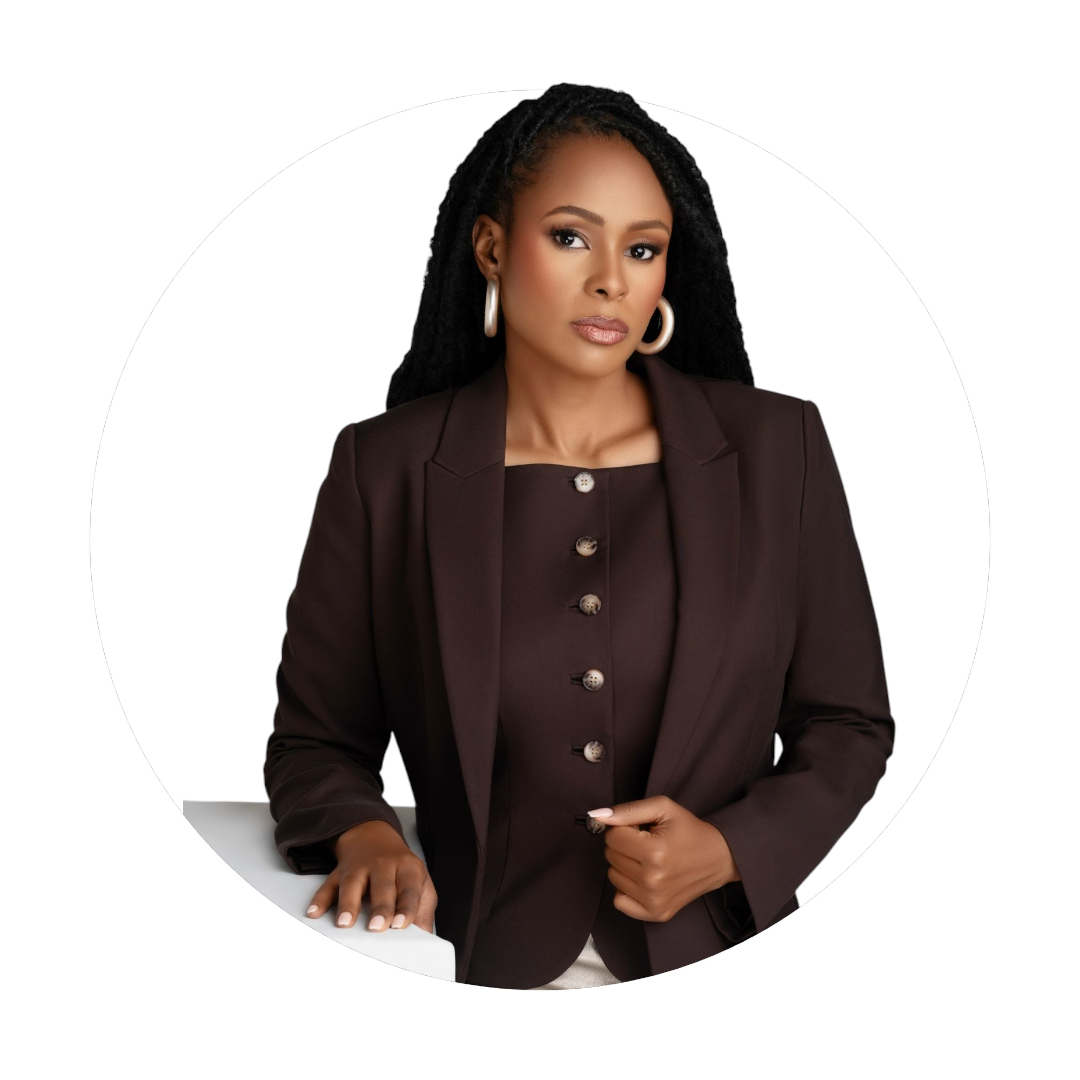
She created Invextra, an AI tool for workplace investigators, and holds a doctorate alongside 15+ years leading misconduct investigations.