The Motivation Advantage with Terry Crews: What It Really Takes to Keep Your People Engaged
 & Terry Crews
 & Dilan Gomih
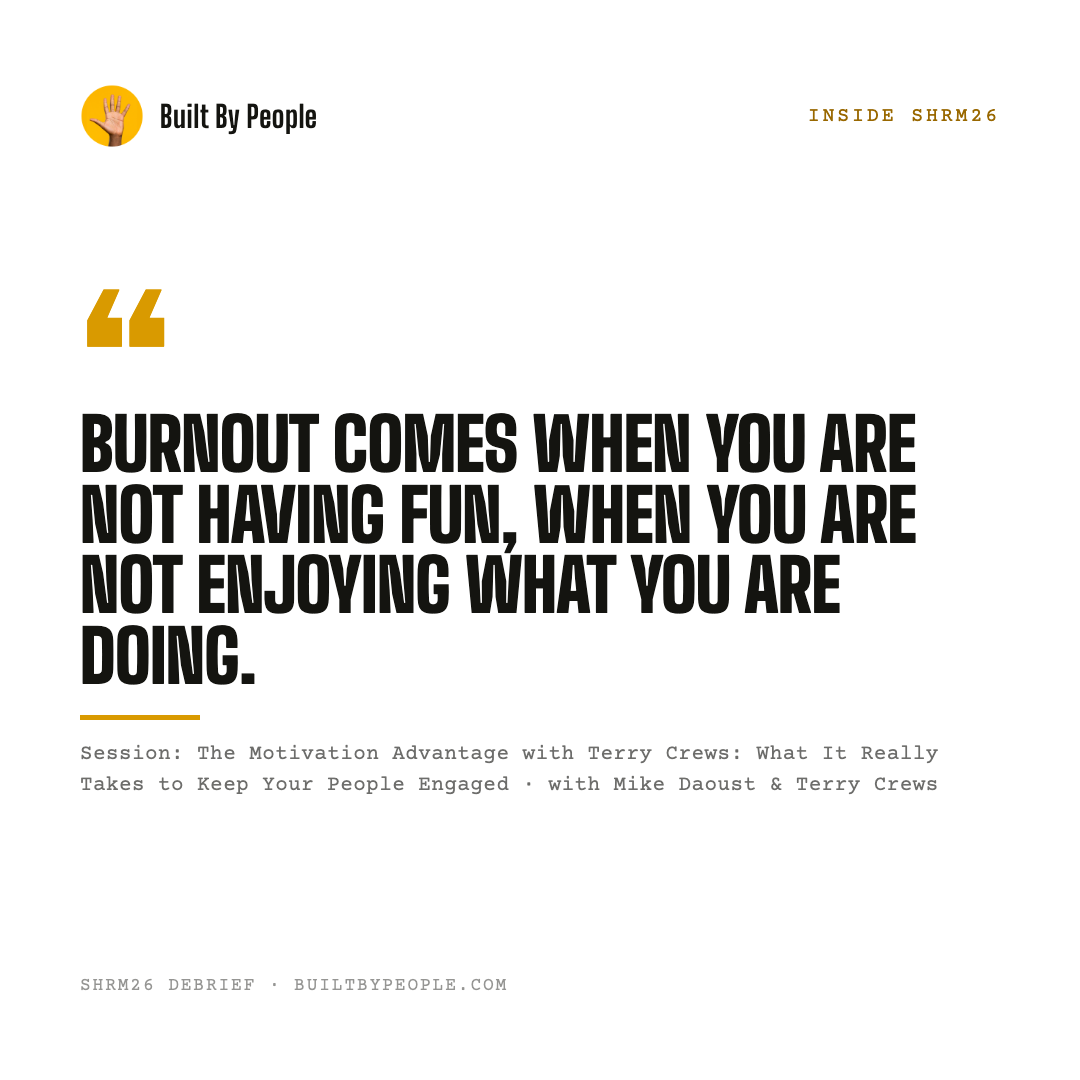
"Burnout comes when you are not having fun, when you are not enjoying what you are doing."
What it was about
Employee wellbeing must shift from being treated as a discretionary perk to being embraced as strategic infrastructure, because sustainable motivation comes from a personal, values-aligned system of self-care (built through small consistent habits) rather than from willpower or external pressure.
By the numbers
Key notes
- Build a small, consistent daily habit (Terry Crews cites a 21-day starting point) rather than attempting a total lifestyle overhaul, since consistency compounds like interest over months and years.
- Frame wellbeing benefits as strategic infrastructure discussed at the executive table, not as a perk, since perk-framing caps engagement at 5-10% while strategic framing and flexible platforms can drive engagement toward 42%.
- Offer flexible, varied wellness options (yoga, dance, lifting, meditation, skateboarding, etc.) so employees can align activity choice with personal values and joy rather than a single prescribed workout style, which reduces burnout and dropout.
Take this back Monday
Swap your single prescribed wellness perk for flexible options (yoga, lifting, dance, meditation) so more employees actually opt in.
Wellbeing programs framed as strategic infrastructure hit 42% engagement, versus just 5-10% when treated as a discretionary perk.
Watch out for
- Treating employee wellbeing as a nice-to-have perk rather than a strategic business priority, which caps engagement rates at only 5-10%.
- Believing fitness or self-improvement has to be painful or joyless ('no pain, no gain'). This mindset causes people to dread and abandon healthy habits, which drives burnout.
- Letting other people (coaches, employers, culture) define your values and goals instead of identifying and writing down your own, which leads to confusion and misalignment.
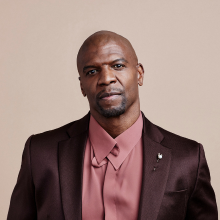
Terry Crews went from athlete to Golden Globe-winning TV star, and just released his first picture book, 'Terry's Many Hats.'