The Future Leader Is a Wellbeing Architect
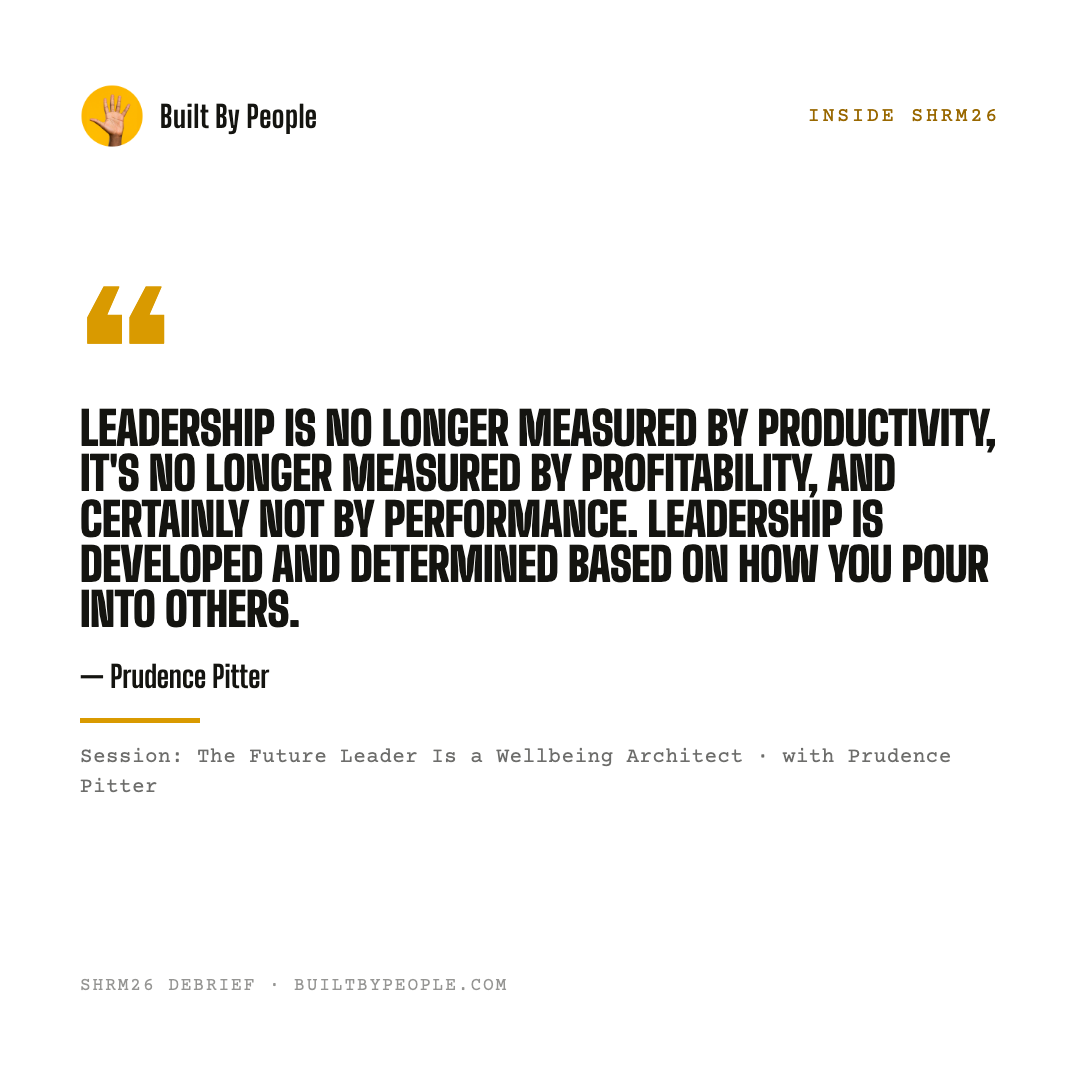
"Leadership is no longer measured by productivity, it's no longer measured by profitability, and certainly not by performance. Leadership is developed and determined based on how you pour into others."
What it was about
Wellbeing isn't a perk or an accident. It's something leaders must intentionally design into how the organization operates, and the future belongs to those who architect psychologically safe spaces where people can thrive, not those who just manage productivity.
By the numbers
Key notes
- Redefine leadership success around how much you pour into others, not just productivity, profitability, or performance.
- Build psychological safety by changing what you do after employees share feedback, not just what you say — acknowledge, act, and close the loop.
- Change the questions you ask employees in regular check-ins (e.g. 'What's the best part of today?' or 'If you were in my job, what would you do different?') to surface real information instead of surface-level answers.
Take this back Monday
Swap one weekly check-in question for 'What's the best part of today?' and actually close the loop on the answer.
Engagement isn't an HR metric anymore, it's an economic indicator, and psychological safety is measured by what we do, not what we say.
Watch out for
- Treating wellbeing as a tack-on perk or EAP-only initiative instead of integrating it into the operating model.
- Collecting engagement or wellbeing survey data and never sharing results or acting on it (the 'I just shred it' example), which erodes trust and survey response quality over time.
- Building AI agents or tools meant to help employees without involving the affected department in the creation process.
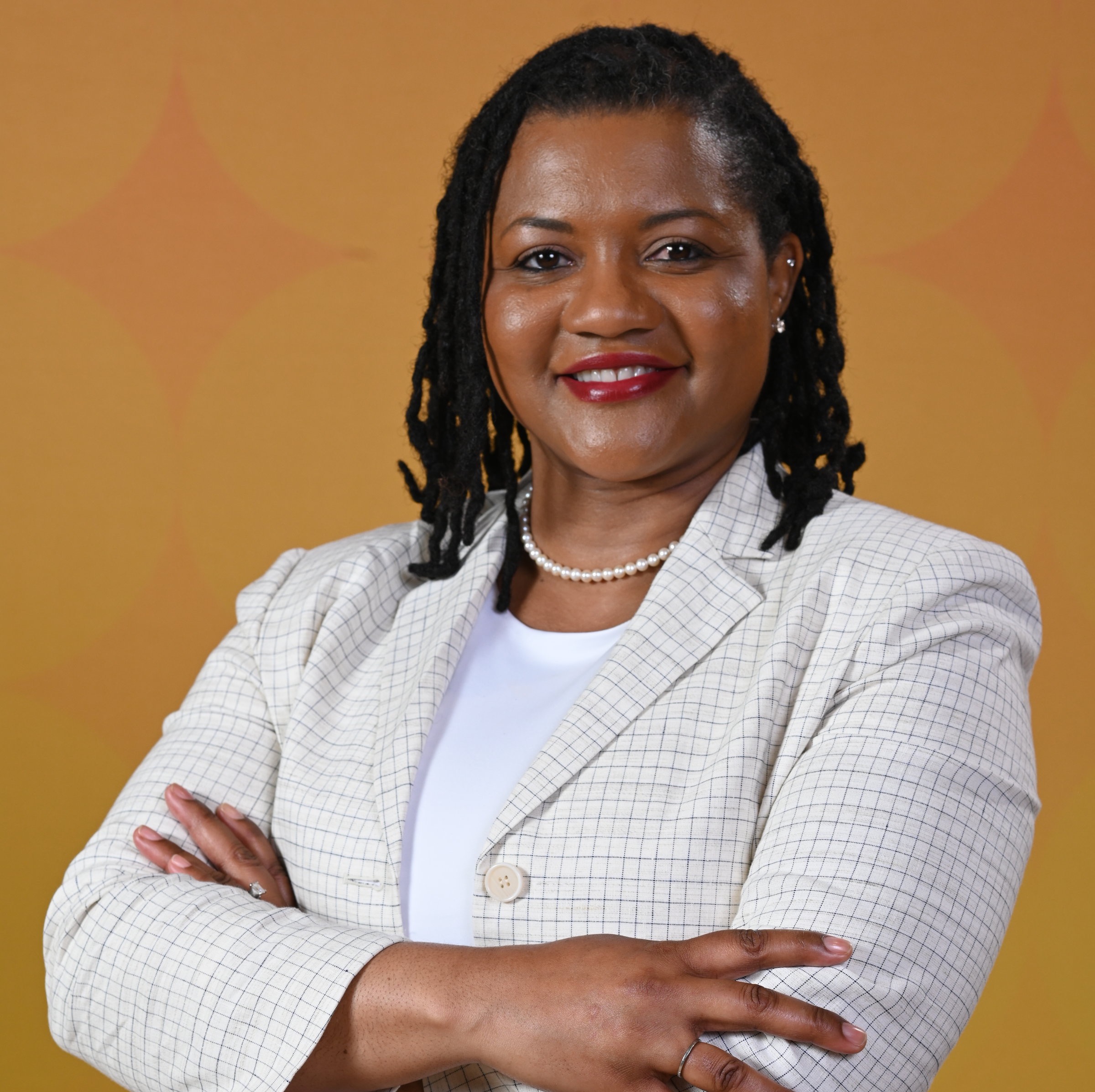
Before keynoting, she was a two-time CHRO who gave a TEDx Talk and now teaches as an adjunct professor at Fordham University.