Master the Art of Elegant Interruption: Your Path to Conversational Influence
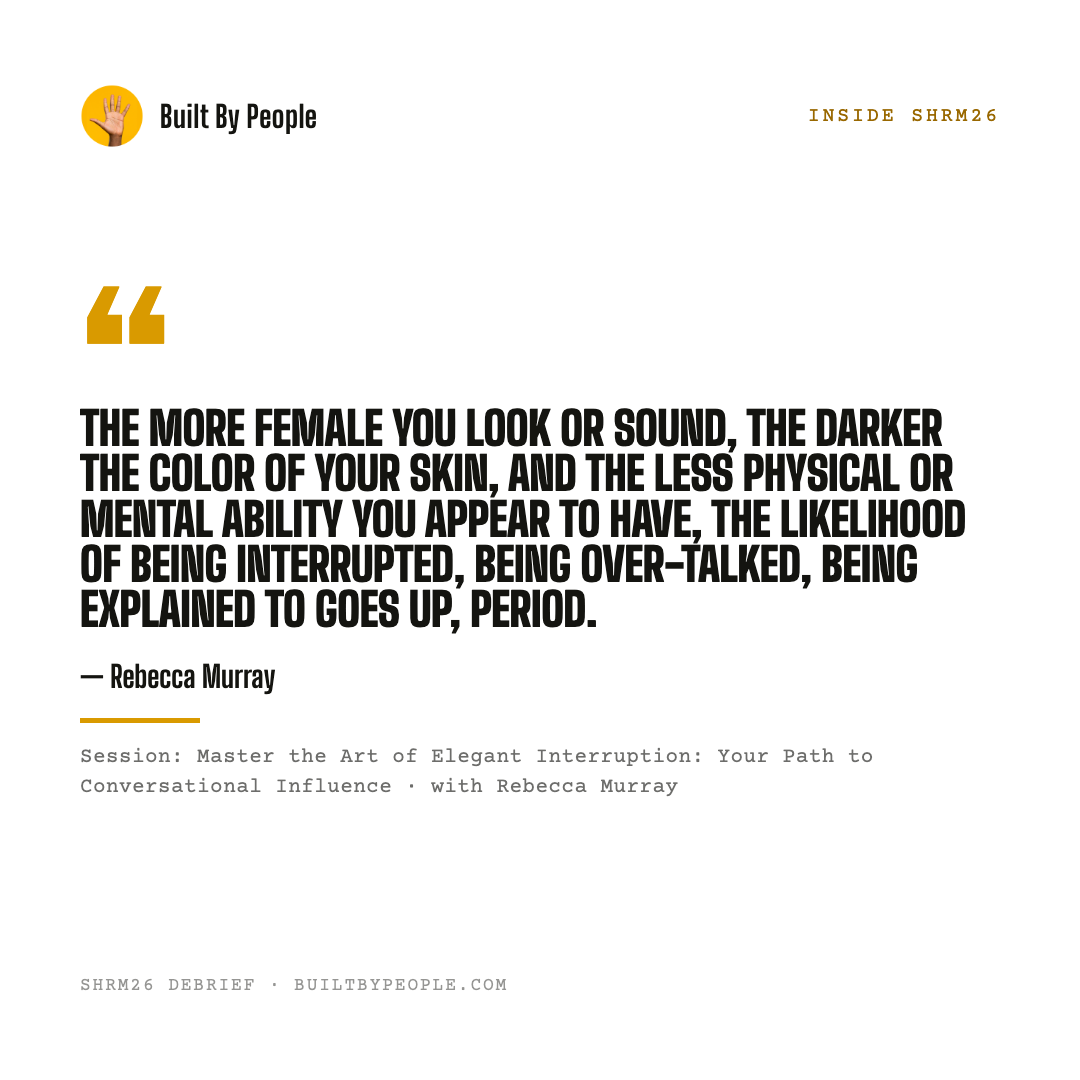
"The more female you look or sound, the darker the color of your skin, and the less physical or mental ability you appear to have, the likelihood of being interrupted, being over-talked, being explained to goes up, period."
What it was about
Interruption, done with intention and specific phrasing, is a gift rather than a rudeness — the real goal is "voice equity," equal opportunity for contribution, achieved through elegant tactics rather than either staying silent or interrupting carelessly.
By the numbers
Key notes
- Say the person's name first before redirecting or summarizing them, since hearing one's own name pronounced correctly interrupts the brain's attention and creates a natural pause to jump into.
- Use "interrupt and redirect" phrasing like "[Name], thank you for your input, for now let's get back to..." to pull a meeting off a tangent without shutting the person down.
- Use "interrupt and move on" (the "I wish" tactic, e.g. "I wish I had more time to talk about X, but could we connect on LinkedIn?") to exit a networking conversation respectfully.
Take this back Monday
Teach managers the 'say their name first' redirect for meetings, so quieter voices get pulled back in without being shut down.
Interruption isn't inherently rude — done with intention, it's how we protect voice equity and stop a few people from dominating every meeting.
Watch out for
- Treating all interruption as inherently rude and therefore never learning to interrupt with intention, which leaves rabbit-holing, off-track meetings, and long-winded speakers unchecked.
- Interrupting to 'splain — answering a different question than the one asked, or assuming someone doesn't already know something and telling them anyway.
- Raising pitch instead of volume when trying to be heard, which can make the speaker sound emotional or agitated and undermine their authority.
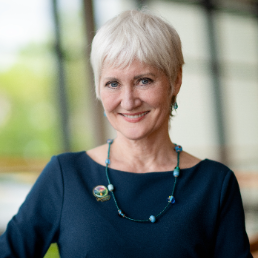
Rebecca Murray began singing before she could speak and has since recorded, directed, or produced hundreds of audio works, from audiobooks to live-streamed events.