#DEIrewired: The Value-Focused Operating Model for DEI in Uncertain Times
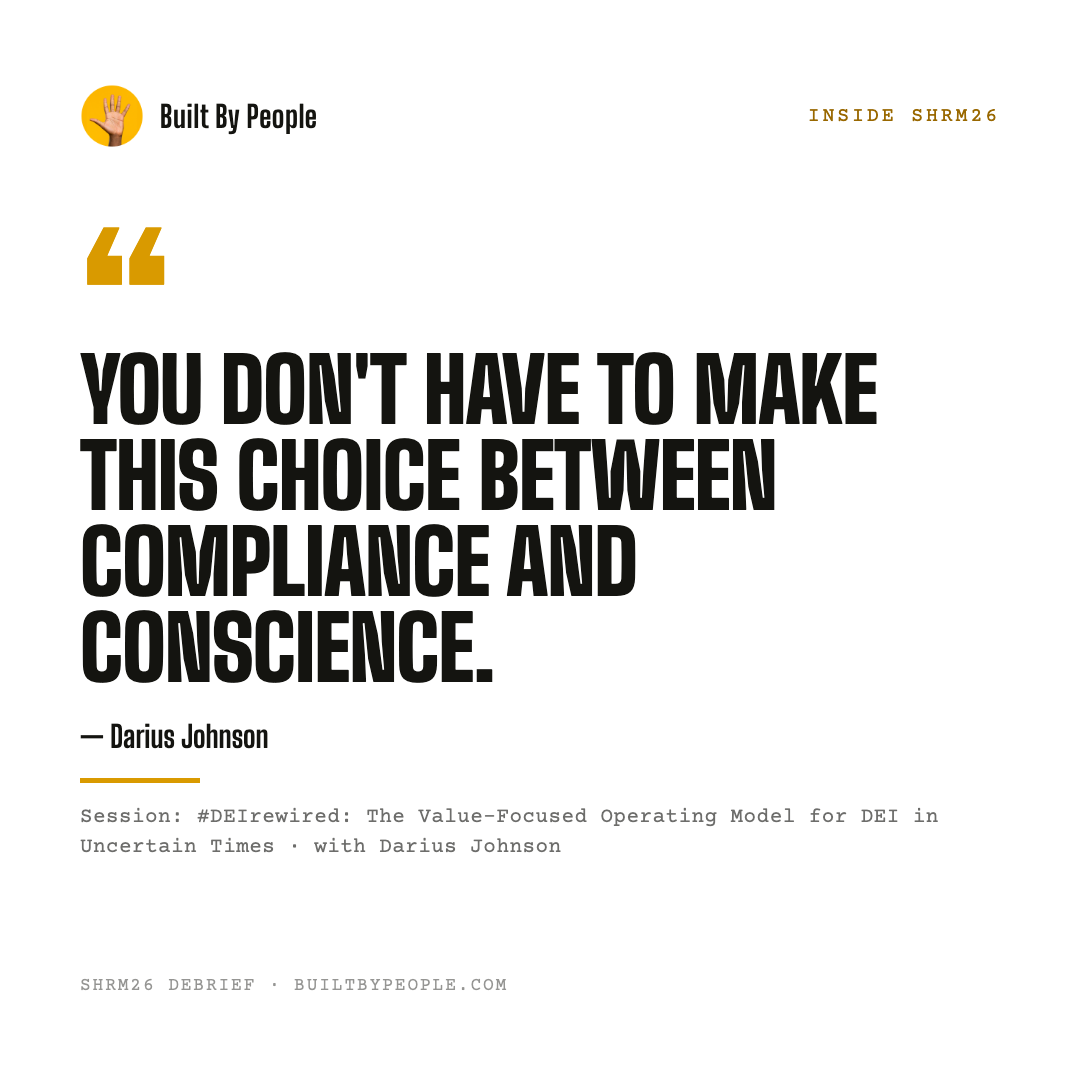
"You don't have to make this choice between compliance and conscience."
What it was about
In the current legal and political environment, HR leaders don't have to choose between compliance and conscience. They need to calibrate their DEI risk appetite to their specific business, then reimagine and operationalize a program that is risk-aware, inclusive by design, and explicitly tied to business value, so it is both effective and legally defensible.
By the numbers
Key notes
- Calibrate risk appetite using three questions before acting: why does DEI create value for this specific business, what are the legal/regulatory forces at play, and what are stakeholders expecting. There's no universal playbook across industries.
- Fix the underlying process (recruitment, vendor selection) rather than setting targets, quotas, or 'aspirational goals.' Fixing the process for everyone tends to disproportionately benefit historically disadvantaged groups anyway, without creating legal exposure.
- Use the 'Flip It to Test It' tool: swap the protected characteristic in a DEI statement for the majority group and see if it still sounds acceptable. It works as both a fairness gut-check and, post-Ames v. Ohio, a legal defensibility check.
Take this back Monday
Audit one recruitment or vendor-selection process for bias instead of setting a diversity target or quota.
We don't have to choose between compliance and conscience — we calibrate DEI risk to our business and fix processes, not set quotas.
Watch out for
- Reacting to headlines and executive orders with cosmetic fixes, like renaming DEI roles or dropping the 'E,' without diagnosing actual risk first.
- Setting arbitrary numeric targets or quotas (e.g., moving a representation goal from 33% to 37%) with no data-driven rationale, then tying them to leadership compensation and incentives.
- Treating supplier diversity as a low-attention, feel-good program while ignoring Section 1981 exposure, which carries uncapped damages.
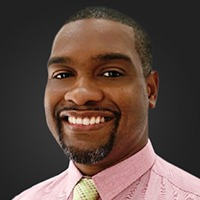
He holds a B.A. in Electrical and Computer Engineering from Rice, yet was named a Top DEI Consultant by Consulting Magazine in 2024.